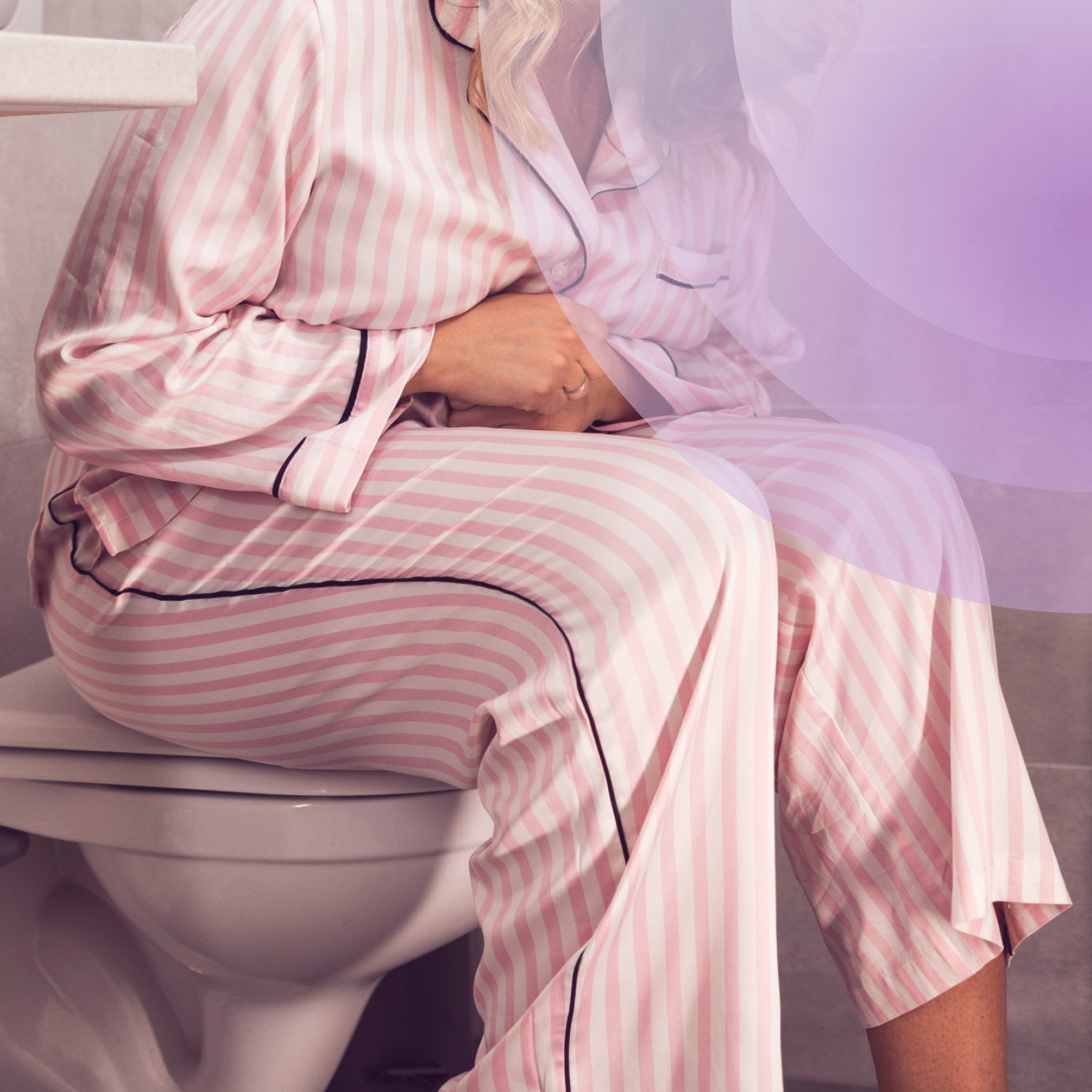
Urge incontinence is a sudden, powerful need to pass urine that is hard to put off, often with leaking before you reach the toilet. Left unaddressed, it can shape journeys, sleep, and social life around the nearest toilets.
At The Pelvic Clinic, Mr Broome offers an unhurried appointment, a clear diagnosis and a treatment plan built around your symptoms, from bladder retraining and medication through to specialist procedures.
Urge incontinence, sometimes called an overactive bladder, happens when the bladder muscle contracts before it is full. This creates a sudden, powerful need to pass urine that is difficult to put off, and often results in leaking before you reach the toilet.
It’s a common condition that affects millions of women in the UK and becomes more likely with age, though it isn’t inevitable. With the right diagnosis and treatment plan, symptoms can usually improve significantly. Many women live with symptoms for years before seeking help, often assuming little can be done. In reality, most cases respond well to treatment, and even simple changes like bladder retraining can bring noticeable relief within weeks, without needing to jump straight to medication or procedures.
Mapping out journeys or avoiding long meetings and social events for fear of not making it in time.
Urge incontinence should never be dismissed as “just part of getting older”. Effective treatment is available at any age.
What Causes It
Causes of urge incontinence
Urge incontinence can have several overlapping causes, from an overactive bladder muscle to nerve signalling problems, lifestyle factors and hormonal changes.
Overactive bladder muscle
The bladder wall contracts before it’s full, sending a strong urge signal to the brain even when little urine is present.
Nerve signalling problems
Miscommunication between the bladder and the nerves that control it can cause urgency and leaks that are hard to control.
Bladder irritation
Urinary tract infections, caffeine, alcohol, fizzy drinks, and some medications can irritate the bladder lining and worsen symptoms.
Menopause and pelvic floor changes
Falling oestrogen levels, childbirth, or previous pelvic surgery can weaken the pelvic floor and change how well the bladder holds urine.
Treatments Available
How we treat urge incontinence
From bladder retraining and medication to modern specialist procedures, we start with the least invasive option that will work for you.
A small dose of botulinum toxin injected into the bladder wall relaxes the overactive muscle. A day-case procedure, with effects typically lasting six to nine months; a small number of women need to self-catheterise afterwards, which we'll explain fully beforehand.
PTNS (percutaneous tibial nerve stimulation) or sacral neuromodulation gently stimulates the nerves that control the bladder, a course-based option for women whose symptoms haven't responded to simpler measures.
Meet Your Consultant
Your Manchester urge incontinence specialist
Mr Jonathan Broome is a consultant gynaecologist and urogynaecologist based in Manchester, with 26 years’ experience, including 16 years in full private practice. He was trained in medicine at the University of Birmingham before completing a fellowship in advanced endoscopic gynaecology at the Royal Hospital for Women in Sydney. He then built his reputation treating complex pelvic floor cases as a consultant at Royal Bolton Hospital, and now consults privately, managing urge incontinence symptoms at Spire Manchester and Spire Hale.
He founded The Pelvic Clinic to give women the time to be listened to, to offer accurate diagnosis and a meaningful treatment plan individualised to each patient’s requirements, concerns and lifestyle goals.
Consultant Gynaecologist, MBChB, MRCOG.
Over 30 papers published in peer-reviewed medical journals.
A urogynaecology expert consulted by institutions worldwide.
Keyhole prolapse repair, often without the need for hysterectomy.
Diagnosis starts with an unhurried conversation about your symptoms, a bladder diary and a urine sample to rule out infection. If needed, we arrange bladder scans or urodynamic testing to see exactly how your bladder is behaving.
What is bladder retraining?
A structured programme where you gradually increase the time between toilet visits, helping the bladder hold more urine and regain better control.
Do medications really help?
Yes, for many women. Tablets can meaningfully reduce urgency and leaks, though they can cause side effects such as a dry mouth or constipation, which we’ll discuss with you.
What specialist options are available if simple measures fail?
Options include PTNS (nerve stimulation) and bladder Botox, each suited to different symptoms and preferences.
Will lifestyle changes make a difference?
Often, yes. Adjusting fluid intake, cutting back on caffeine and alcohol, and treating constipation can all ease symptoms alongside other treatments.
How quickly can I be seen?
Private appointments can usually be arranged within days for self-pay and insured patients without the wait typically associated with an NHS referral.
Is urge incontinence the same as stress incontinence?
No. Urge incontinence is a sudden need to go that’s hard to control, while stress incontinence is leaking triggered by coughing, laughing, or exercise. Some women experience both.
Does urge incontinence get worse with age?
It becomes more common with age, but it isn’t inevitable and doesn’t have to be left untreated. Symptoms usually respond well to treatment at any age.
Common Questions
Frequently asked questions
Answers to the questions patients ask most often about urge incontinence, diagnosis, and treatment at The Pelvic Clinic. If your question is not here, please get in touch; we are happy to help.