

Heavy Periods Care
Heavy periods, medically called menorrhagia, are one of the most common reasons women see a gynaecologist, and yet many assume nothing can be done and simply live around them, missing work or cancelling plans each month.
Mr Jonathan Broome can offer a wide range of treatment options for heavy periods at Spire Manchester and Spire Hale hospitals. Working through the initial diagnosis of underlying causes to simple medication, hormonal treatment, minimally invasive day case surgery, or hysterectomy if needed.

Overview
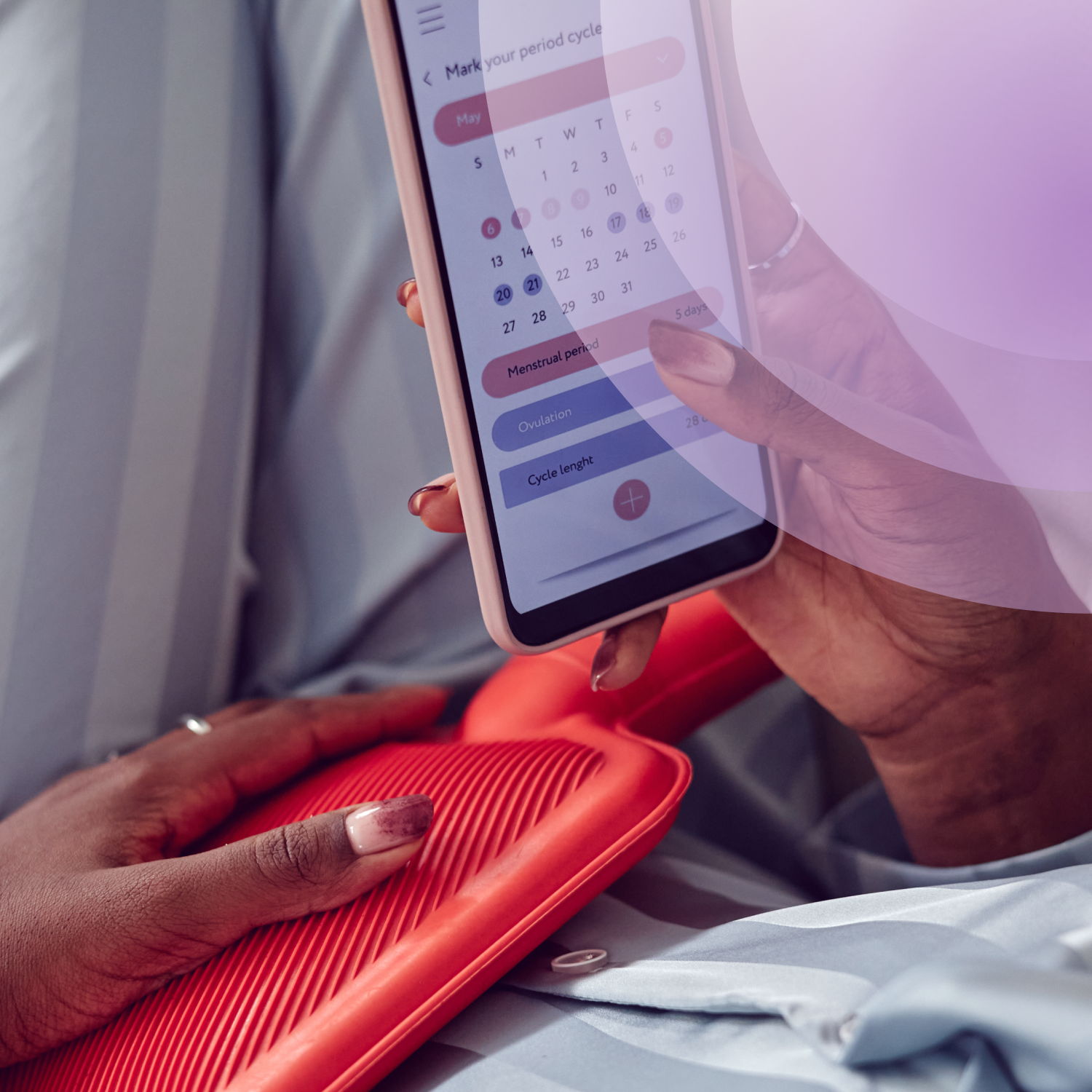
Heavy periods, or menorrhagia, means bleeding that is heavier or lasts longer than what is typical for you, interfering with daily life. There is no single blood-loss figure that defines it: a helpful guide is needing to change your pad or tampon every hour or two, passing clots larger than a 10p coin, or bleeding for more than seven days.
Around one in three women experience heavy periods at some point, and for many there is no single identifiable cause. Left unaddressed, heavy bleeding can lead to iron-deficiency anaemia, causing tiredness and breathlessness, which is why a proper assessment matters even when nothing serious is found.
What to Look For
You find yourself changing your pad or tampon every hour or two, even during the day.
Blood soaks through to your clothes or the sheets, even when you're using suitable protection.
You notice blood clots larger than a 10p coin, especially on your heaviest days.
Your period drags on for more than seven days, instead of settling within the usual few.
At night, you need a pad and tampon together, or have to get up to change protection.
You feel persistently tired, breathless or look pale, signs that blood loss may have caused anaemia.
What Causes It
In around half of cases, no single cause is found, and the bleeding is simply how your body’s cycle works. Several conditions can also be responsible.
An imbalance between oestrogen and progesterone can cause the womb lining to build up excessively before it sheds.
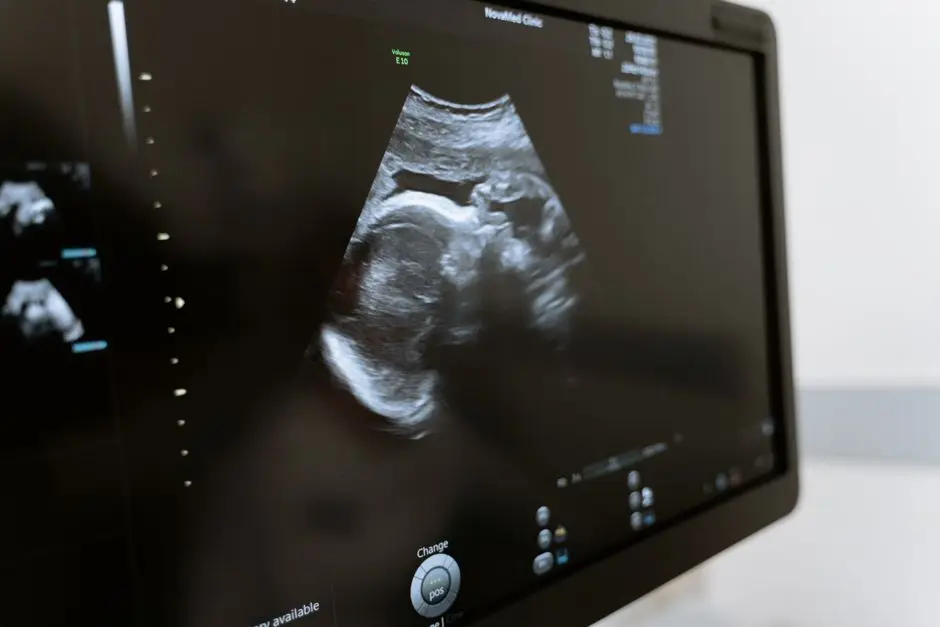
Non-cancerous growths in the muscle wall of the uterus increase the surface area of bleeding and are one of the most common causes of heavy, painful periods.
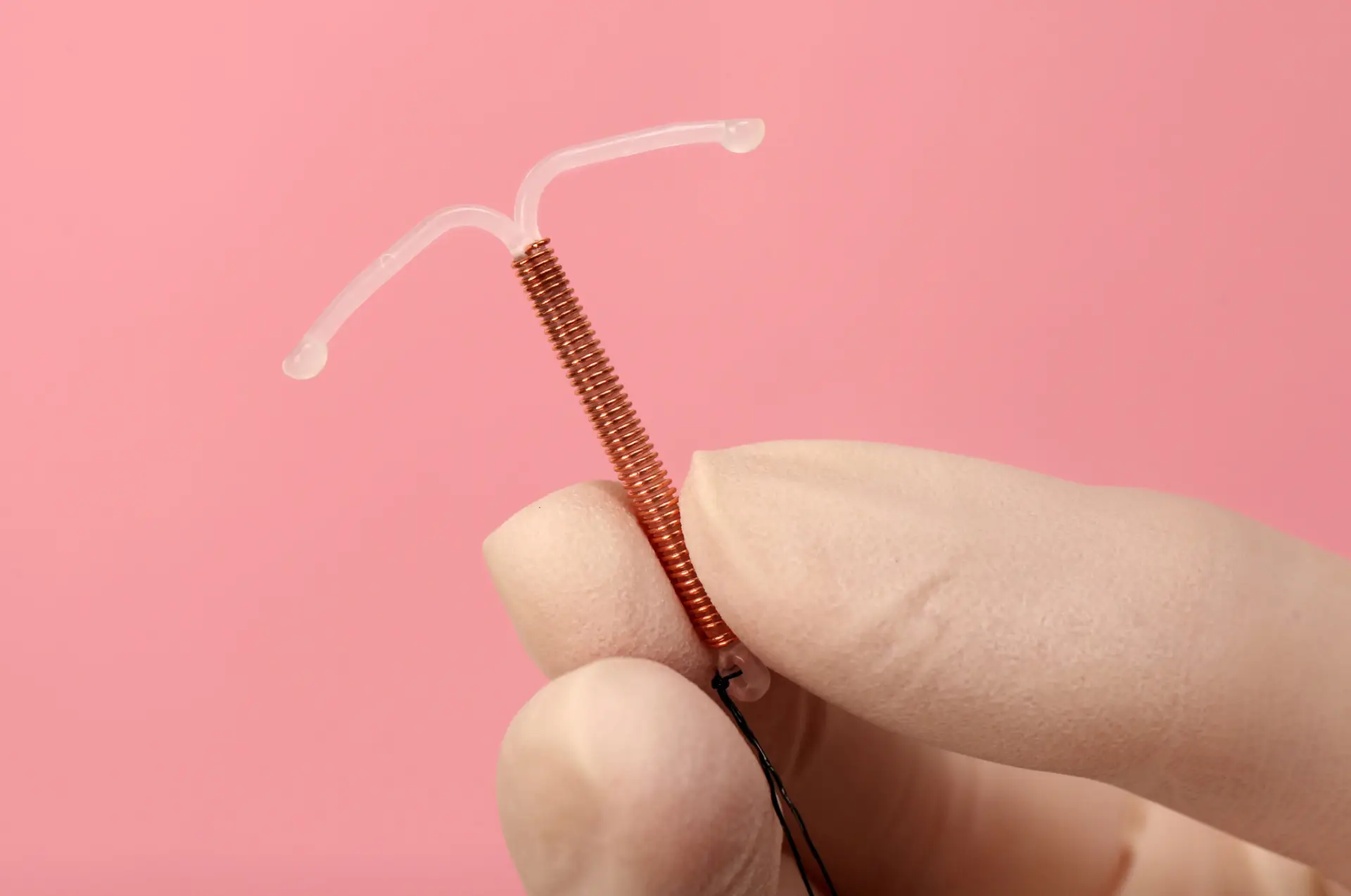
A copper coil, certain bleeding disorders, or an underactive thyroid can all contribute to unusually heavy or prolonged periods.

For many women, nothing specific is found, and heavy bleeding simply reflects how their body’s cycle works that particular month.

Treatments Available
Treatment depends on what’s causing your bleeding and what matters most to you, ranging from hormonal medication through to a coil or day-case surgery.
Hormonal options such as the contraceptive pill can reduce flow, while non-hormonal medicines like tranexamic acid or anti-inflammatories ease bleeding without affecting your hormones.
A hormone-releasing coil fitted in clinic can lighten periods by up to 65%, sometimes stopping them altogether, while also providing contraception for up to eight years.
This procedure uses heat to remove the womb lining and is usually suitable once you've completed your family, as future pregnancy becomes unlikely and potentially dangerous afterwards.
If fibroids growing into the womb cavity are causing heavy bleeding, they can often be removed using a hysteroscope to shave them away from within the womb, avoiding the need for open surgery.
Meet Your Consultant
Mr Jonathan Broome is a consultant gynaecologist and urogynaecologist based in Manchester, with 26 years’ experience, including 16 years in full private practice. He was trained in medicine at the University of Birmingham before completing a fellowship in advanced endoscopic gynaecology at the Royal Hospital for Women in Sydney. He then built his reputation treating complex pelvic floor cases as a consultant at Royal Bolton Hospital, and now consults privately, managing heavy periods at Spire Manchester and Spire Hale.
He founded The Pelvic Clinic to give women the time to be listened to, to offer accurate diagnosis and a meaningful treatment plan individualised to each patient’s requirements, concerns and lifestyle goals.

In Our Patients’ Words
Verified reviews from patients seen by Mr Broome, shared through Doctify.
Real Patient Journeys
A snapshot of real patients that Mr Broome has treated across the range of conditions he specialises in.
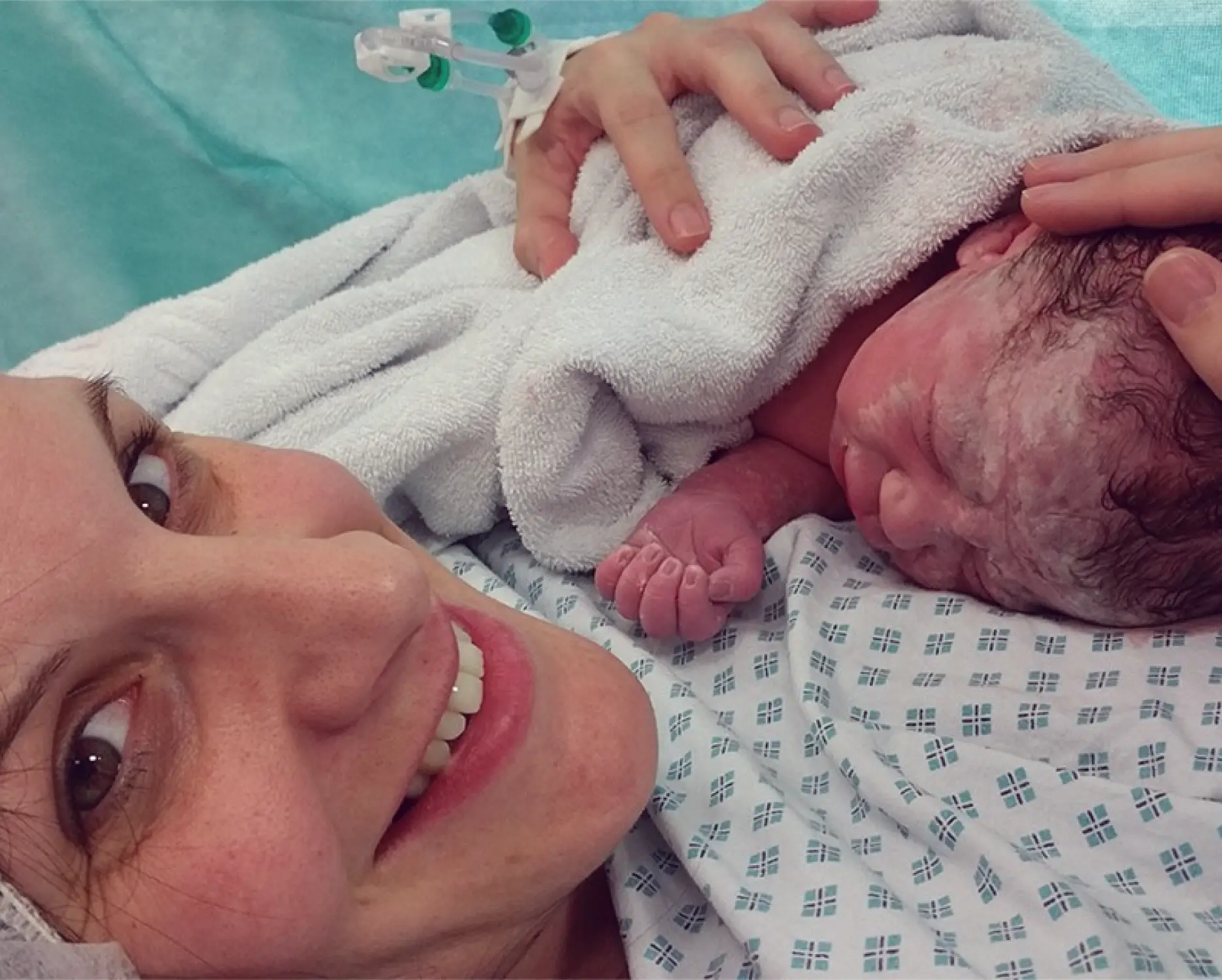
A difficult labour left Alison with a uterine and vaginal wall prolapse. A keyhole sacrohysteropexy with Mr Broome lifted the…

Years of flooding periods and iron-deficiency anaemia caused by fibroids. A keyhole myomectomy with Mr Broome removed the…
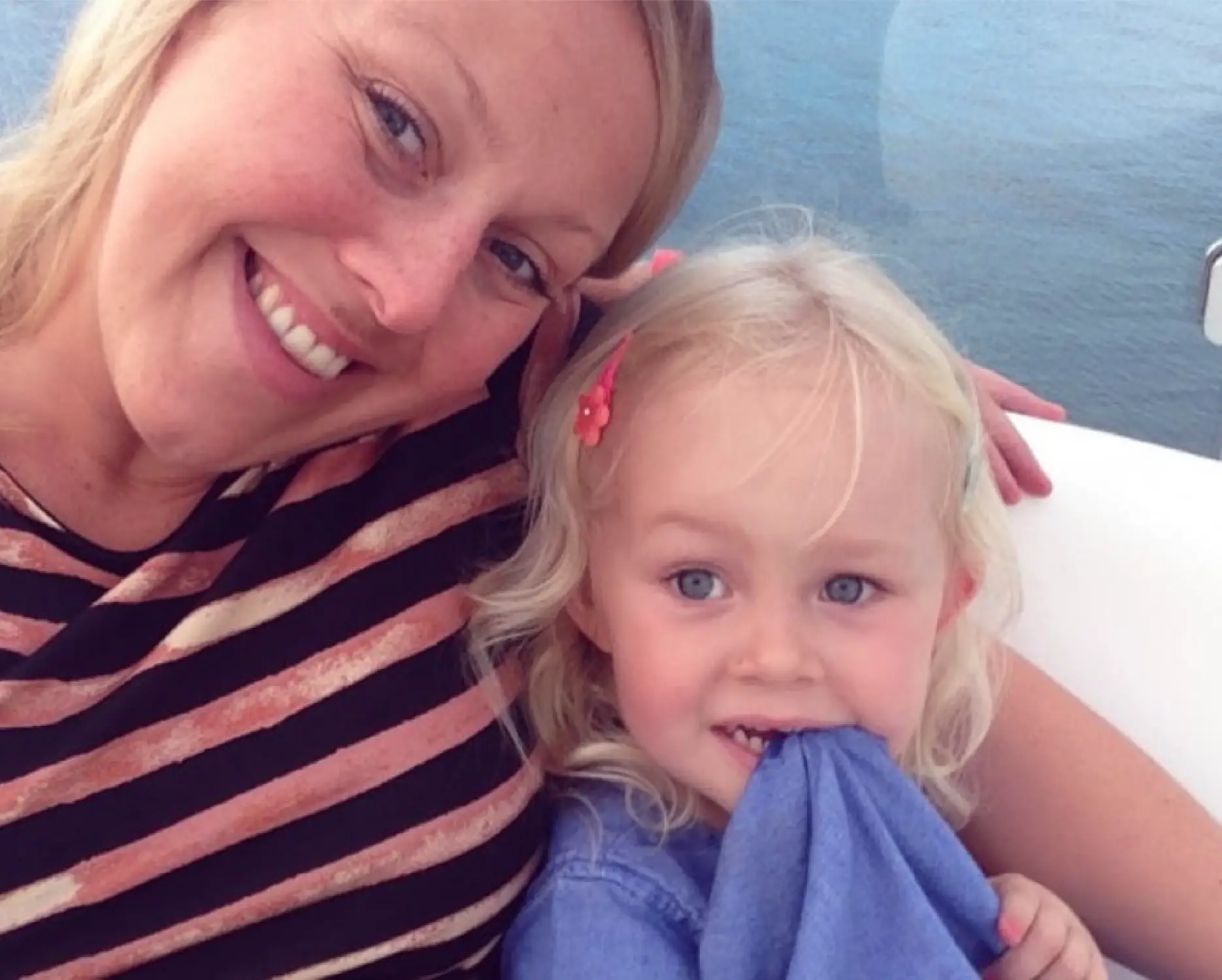
Kate had been living with severe pelvic pain from endometriosis for over a decade. Laparoscopic excision surgery with Mr Broom…

After menopause, Kaye developed a bothersome vaginal vault prolapse that stopped her running and swimming. A…
Bleeding is medically considered heavy if you soak through a pad or tampon every hour, need double protection, pass clots larger than a 10p coin, or bleed for more than seven days.
A full history, an examination, blood tests including iron and thyroid, an ultrasound, and, if indicated, a hysteroscopy to look inside the womb with a camera.
Yes. Prolonged heavy bleeding is one of the most common causes of iron-deficiency anaemia in women, leaving you tired, breathless and unable to concentrate.
No. Many women are treated successfully with medication, the Mirena coil, or endometrial ablation. Surgery is only considered when other treatments are unsuitable or have not worked.
For many women, yes. The Mirena is a hormone-releasing coil fitted in the outpatient clinic. It thins the lining of the womb, which can lighten periods by up to 65%. In around 20% of women, it stops periods altogether within a year. It also provides contraception and lasts up to 8 years, making it a popular first-line option before considering surgery.
Endometrial ablation is a procedure that uses heat to remove the lining of the womb, which is usually the source of heavy bleeding. It’s generally offered to women who no longer wish to have children, as it makes a future pregnancy unlikely and potentially dangerous. Many women find their periods become significantly lighter, and some stop altogether.
Most women recover from endometrial ablation within a few days and can return to normal activities relatively quickly, though this varies from patient to patient. Some light bleeding or watery discharge for a few weeks afterwards is normal. At your consultation, Mr Broome will talk you through what to expect for your individual case and procedure type.
Bleeding usually settles at menopause, but symptoms often become worse in the perimenopausal years first. You don’t need to wait years for treatment.
A hysterectomy, the surgical removal of the womb, is generally only considered when heavy periods are caused by large fibroids or other conditions that haven’t responded to less invasive treatments. Ovaries can often be left in place to avoid triggering early menopause. Mr Broome offers vaginal, abdominal and laparoscopic approaches and will discuss which is most appropriate for you, as this is usually a later-stage option rather than a first port of call.
Iron-rich foods and iron supplements help with anaemia, and regular exercise can improve overall symptoms. Lifestyle alone rarely resolves heavy bleeding but supports other treatments.
It is always worth investigating. Most causes are benign, such as polyps or hormonal changes, but bleeding between periods should never be dismissed without investigation.
Self-pay and insured patients are usually seen within a week. We can arrange investigations such as ultrasound and blood tests very quickly.
Common Questions
Answers to the questions patients ask most often about heavy periods, investigations, and treatment at The Pelvic Clinic. If your question is not here, please get in touch.