

Pelvic Organ Prolapse Care
Pelvic organ prolapse, when the womb, bladder or bowel bulges into the vagina, is far more common than people realise, yet rarely talked about. Many women live with symptoms for years and when they finally get to see a specialist are told a hysterectomy is the only answer.
Mr Jonathan Broome, consultant gynaecologist at The Pelvic Clinic, is one of the few UK surgeons offering keyhole prolapse repair that preserves the womb, seeing patients at Spire Manchester and Spire Hale, alongside pelvic floor exercises and pessary options.


Overview
Pelvic organ prolapse happens when the muscles and tissues supporting your pelvic organs weaken, allowing the womb, bladder, bowel or the top of the vagina to bulge downwards into the vaginal canal. It is classified by which organ is affected: anterior prolapse involves the bladder, posterior prolapse the bowel, and apical or uterine prolapse the womb or vaginal vault itself. Severity is graded from first degree, which is mild, to third degree, where the organ is visible outside the vagina.
Prolapse is extremely common, affecting around half of women who have given birth to some degree, though many have no symptoms at all and a mild prolapse does not automatically worsen or require surgery. For the more severe or symptomatic prolapse, hysterectomy is only one option among several, not the default starting point. Mr Broome’s keyhole repairs use either your own tissue (autologous) or donor tissue (fascia) rather than surgical mesh, whose use for many prolapse procedures remains paused across the UK on safety grounds.
What to Look For
A sensation of heaviness, dragging, or a visible bulge in or around the vagina, often worse by evening.
Discomfort, reduced sensation, or awareness of a bulge during sex, which can affect confidence and intimacy.
Difficulty emptying your bladder fully, a slow stream, or needing to urinate more often than usual.
You may need to support the vaginal wall with your fingers to fully empty your bowels.
A dull ache in your lower back or pelvis that tends to build as the day goes on.
Leaking urine when you cough, laugh or exercise, often alongside a feeling of heaviness below.
What Causes It
Prolapse happens when the pelvic floor muscles and supporting tissues weaken or stretch, most often through one or a combination of these factors.

Vaginal delivery, particularly with a long labour, a large baby or an assisted birth, can stretch and weaken the pelvic floor.

Falling oestrogen levels after menopause reduce the strength and elasticity of the tissues supporting the pelvic organs over time.

Long-term constipation, a chronic cough, heavy lifting, or being overweight all add repeated strain to the pelvic floor.

Some women have naturally weaker connective tissue, which runs in families and increases the likelihood of prolapse developing.

Treatments Available
Treatment ranges from simple lifestyle changes and pelvic floor exercises through to a pessary or surgery, chosen around your symptoms, severity and whether you’re planning children.
For mild prolapse, simple changes such as losing weight, avoiding heavy lifting and not straining on the toilet can ease symptoms without any need for other treatment.
For mild prolapse, a specialist pelvic floor physiotherapist can assess your muscles and build a tailored exercise programme, which often improves symptoms without surgery.
A silicone or sponge device fitted inside the vagina holds the prolapse in place without surgery, some can be self-inserted and removed daily, others remain in place and are checked every six months. They may suit women who prefer to avoid an operation or are on a long waiting list for surgery.
Topical oestrogen or HRT can strengthen and restore the pelvic tissues weakened by menopause, often used alongside other treatments to improve their effectiveness.
A number of options are available to lift a prolapsed womb back into place. Often performed using keyhole surgery, they can involve strengthening and shortening the weakened and stretched ligaments that used to hold the womb in place or alternatively using a piece of tissue (donor fascia) to act as a sling to hold the womb up. Mr Broome does not use surgical mesh for any of his prolapse repairs.
Meet Your Consultant
Mr Jonathan Broome is a consultant gynaecologist and urogynaecologist based in Manchester, with 26 years’ experience, including 16 years in full private practice. He was trained in medicine at the University of Birmingham before completing a fellowship in advanced endoscopic gynaecology at the Royal Hospital for Women in Sydney. He then built his reputation treating complex pelvic floor cases as a consultant at Royal Bolton Hospital, and now consults privately, managing prolapse at Spire Manchester and Spire Hale, seeing women from across Greater Manchester, Bolton and Cheshire.
He founded The Pelvic Clinic to give women the time to be listened to, to offer accurate diagnosis and a meaningful treatment plan individualised to each patient’s requirements, concerns and lifestyle goals.

In Our Patients’ Words
Verified reviews from patients seen by Mr Broome, shared through Doctify.
Real Patient Journeys
A snapshot of real patients that Mr Broome has treated across the range of conditions he specialises in.
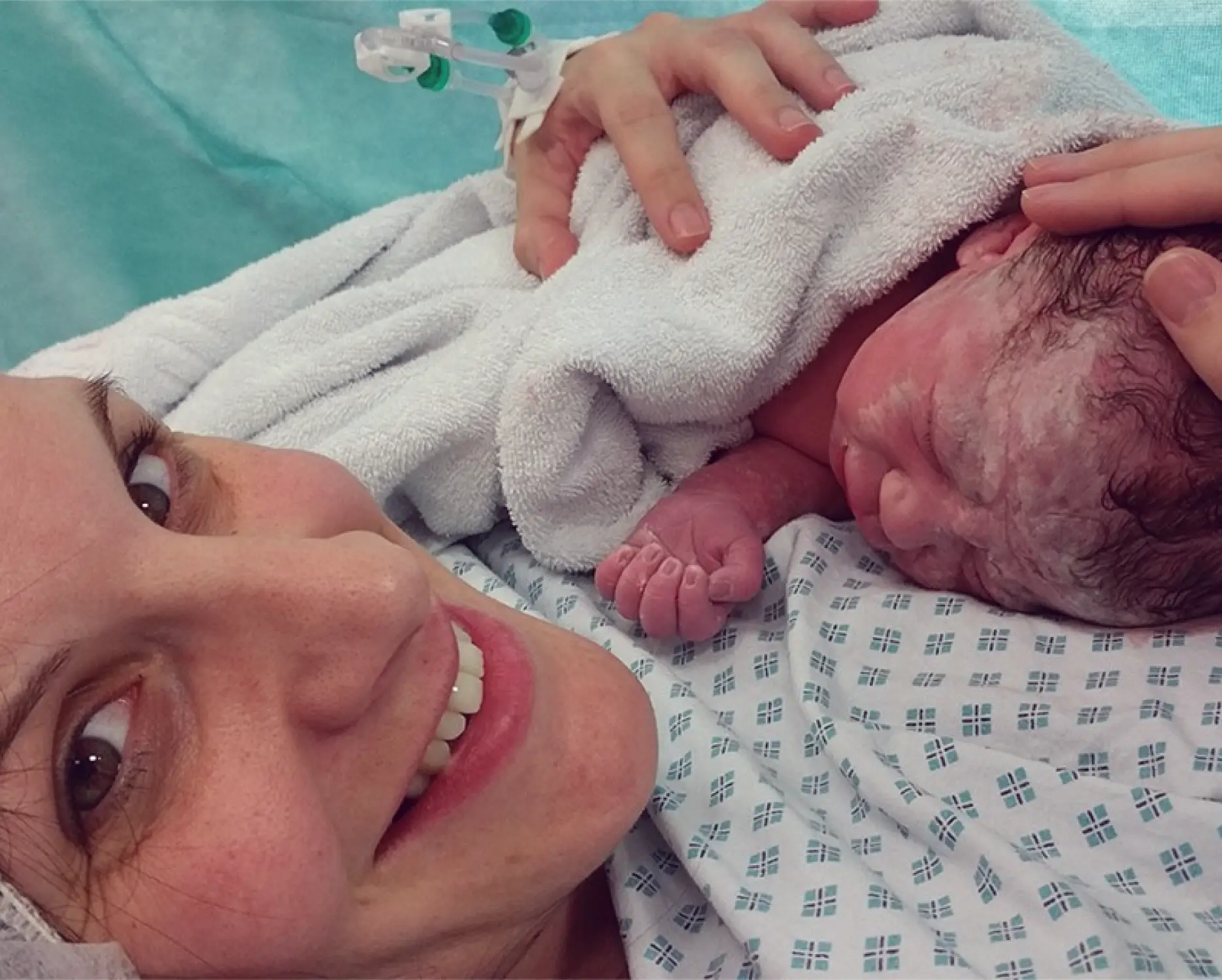
A difficult labour left Alison with a uterine and vaginal wall prolapse. A keyhole sacrohysteropexy with Mr Broome lifted the…

Years of flooding periods and iron-deficiency anaemia caused by fibroids. A keyhole myomectomy with Mr Broome removed the…

Kate had been living with severe pelvic pain from endometriosis for over a decade. Laparoscopic excision surgery with Mr Broom…

After menopause, Kaye developed a bothersome vaginal vault prolapse that stopped her running and swimming. A…
Early signs of prolapse can include a sensation of something coming down or out of the vagina, a visible bulge at the vaginal entrance, a feeling of sitting on something, or a heavy, dragging feeling in the pelvis. Some women also notice leaking urine when coughing, sneezing, or exercising, or difficulty fully emptying the bladder or bowels. If any of these sound familiar, it might be worth arranging an assessment, as prolapse is very common and there are effective treatments at every stage.
Prolapse is not life-threatening or an emergency. It is a quality-of-life condition, so the right time to treat it is when it starts to affect how you live.
Mild prolapse often stays stable for years. More severe prolapse can progress slowly, especially after menopause, so review and a strong pelvic floor programme are sensible.
No. Following the UK pause on vaginal mesh, mesh-free repair using your own or donor tissue is offered by Mr Jonathan Broome at The Pelvic Clinic.
Supervised pelvic floor training will not restore the anatomy but reliably reduces symptoms in mild to moderate prolapse and is often recommended first in UK practice.
Pessaries come in many shapes and sizes and are placed inside the vagina to support the prolapse. It may be an option if you want to avoid surgery or wait until after your family is complete.
Often no. Uterus-sparing repairs such as sacrohysteropexy lift the prolapse while keeping the womb, and are preferred by many women.
Most women are home within a day or two, back at desk work at four weeks, and cleared for heavy lifting and high-impact exercise at 6-8 weeks.
Yes. Most women can and do, though some find it uncomfortable. Treatment often improves comfort and confidence significantly.
Self-pay and insured patients are usually seen within a week. We carry out a full examination at the first appointment so we can plan treatment straight away.
Common Questions
Answers to the questions patients ask most often about pelvic organ prolapse, examination and repair options at The Pelvic Clinic.