

PCOS Care
Polycystic ovaries and the wider condition PCOS are often reduced to a problem of irregular periods and acne, yet the reality involves fertility, skin, hair, mood, and long-term metabolic health, diagnosis often comes with little explanation.
Mr Jonathan Broome can offer accurate diagnosis and a plan shaped by what matters most to you: fertility, symptom control or your long-term health. He sees patients at Spire Manchester and Spire Hale.


Overview
Having polycystic ovaries, meaning ovaries with a higher number of small follicles than usual, is different from having PCOS, the wider syndrome that also involves irregular ovulation and, often, higher levels of certain hormones. Many women have polycystic ovaries on a scan without having the syndrome itself, while others have PCOS without their ovaries looking polycystic at all. A diagnosis of PCOS usually needs at least two of three features: irregular ovulation, higher hormone levels, or polycystic ovaries on a scan.
PCOS affects around one in ten women in the UK, making it one of the most common hormonal conditions. You may also see it referred to as polyendocrine metabolic ovarian syndrome, or PMOS, a newer name the NHS has begun using, though PCOS remains the term most people know, and as many as half of women with the condition are not aware they have it.
What to Look For
Periods that come infrequently, unpredictably, or stop altogether for several months at a time.
Persistent acne, especially along the jawline, that doesn't respond well to usual skincare.
Extra facial or body hair on the chin, chest, or back, caused by higher androgen levels.
Gaining weight, especially around your middle, and finding it hard to lose despite diet and exercise.
Trouble getting pregnant due to irregular or absent ovulation, often the reason PCOS is first diagnosed.
Low mood, anxiety, and tiredness linked to hormonal and metabolic changes.
What Causes It
PCOS is driven by an interaction of genetics, insulin resistance, and hormones. The main contributors are outlined below.
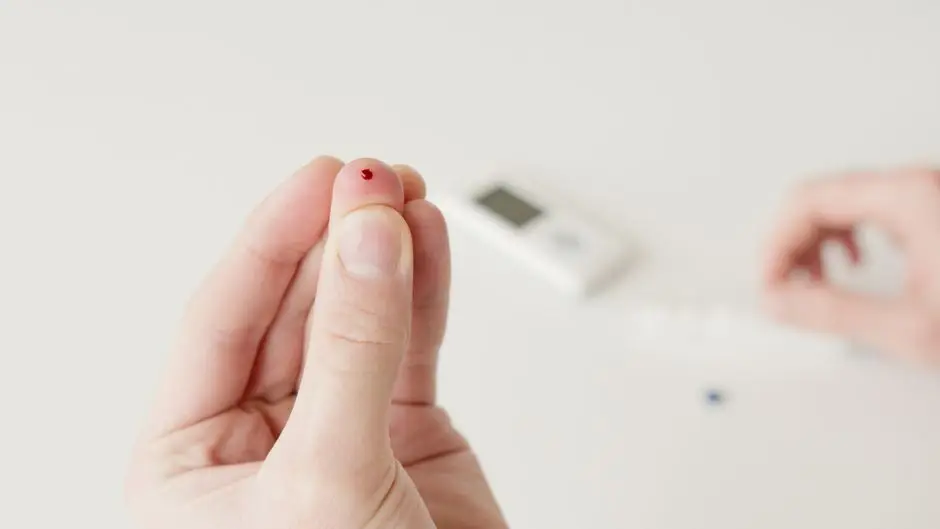
When your body does not respond well to insulin, it produces more, which can raise androgen levels and disrupt ovulation.

If PCOS runs in your close family, your own chances of developing it rise too, though exactly which genes are involved isn’t yet fully mapped.
The ovaries produce higher than normal levels of testosterone, which drives acne, unwanted hair growth, and disrupted ovulation.

PCOS often comes with low-grade, body-wide inflammation, which seems to push the ovaries to produce even more androgens.

Treatments Available
Treatment is tailored to what matters most to you, whether that’s managing symptoms, protecting your long-term health, or improving your chances of conceiving.
For women who are overweight, losing even a small amount of weight is often the single most effective step, easing symptoms and improving fertility.
Depending on what's troubling you most, medication can help regulate your periods, reduce excess hair growth or manage acne, often alongside the contraceptive pill.
If you're trying to conceive, ovulation induction medication can encourage regular egg release and is often the first step before considering further fertility treatment.
A minor keyhole procedure that uses heat to treat the ovaries can temporarily restore more regular ovulation for up to two years, supporting other fertility treatment.
Meet Your Consultant
Mr Jonathan Broome is a consultant gynaecologist and urogynaecologist based in Manchester, with 26 years’ experience, including 16 years in full private practice. He was trained in medicine at the University of Birmingham before completing a fellowship in advanced endoscopic gynaecology at the Royal Hospital for Women in Sydney. He then built his reputation treating complex pelvic floor cases as a consultant at Royal Bolton Hospital, and now consults privately, managing PCOS at Spire Manchester and Spire Hale, seeing women from across Greater Manchester, Bolton and Cheshire.
He founded The Pelvic Clinic to give women the time to be listened to, to offer an accurate diagnosis and a meaningful treatment plan individualised to each patient’s requirements, concerns and lifestyle goals.

In Our Patients’ Words
Verified reviews from patients seen by Mr Broome, shared through Doctify.
Real Patient Journeys
A snapshot of real patients that Mr Broome has treated across the range of conditions he specialises in.
A difficult labour left Alison with a uterine and vaginal wall prolapse. A keyhole sacrohysteropexy with Mr Broome lifted the…

Years of flooding periods and iron-deficiency anaemia caused by fibroids. A keyhole myomectomy with Mr Broome removed the…
Kate had been living with severe pelvic pain from endometriosis for over a decade. Laparoscopic excision surgery with Mr Broom…

After menopause, Kaye developed a bothersome vaginal vault prolapse that stopped her running and swimming. A…
PCOS is diagnosed when at least two of three criteria are met: irregular or absent periods, raised male hormone (androgen) levels, and ovaries showing multiple small cysts on ultrasound. Because symptoms and severity vary so widely between women, diagnosis is very much an individual assessment rather than a single pass/fail test.
No. Most women with PCOS can conceive, though the condition is a common cause of reduced ovulation, which can make it harder. If you’re trying to conceive, fertility-focused treatment options are available and are best discussed directly with a specialist who can assess your individual hormone picture and ovulation pattern.
Yes, weight gain is one of the more common symptoms, and it can also make other symptoms harder to manage, since excess weight can worsen insulin resistance. This is part of why weight management is often described as one of the most beneficial things a woman with PCOS can do, alongside any medication or other treatment.
It reduces insulin resistance, helping to regulate cycles, restore ovulation, and reduce the long-term risk of type 2 diabetes.
PCOS is a long-term condition, but not everyone needs continuous medication. Ongoing review helps target treatment to the symptoms that matter most at each life stage.
Very infrequent periods allow the womb lining to build up unopposed, which increases long-term risk. A withdrawal bleed every three to four months or using a Mirena coil protects the lining.
Higher risk of type 2 diabetes, cardiovascular disease and endometrial thickening. Good management brings these risks close to background levels.
There is no cure; PCOS is a long-term hormonal condition rather than something that resolves on its own, but symptoms can be very effectively managed, and for many women they improve significantly with the right combination of weight management, medication and, where relevant, fertility or hair-growth treatment.
Options include combined oral contraceptives, anti-androgens such as spironolactone, and topical or laser treatment. A tailored plan usually gives the best result.
Self-pay and insured patients are usually seen within days, depending on Mr Broome’s availability.
Common Questions
Answers to the questions patients ask most often about PCOS, testing, and management at The Pelvic Clinic.