

Treatments & Procedures
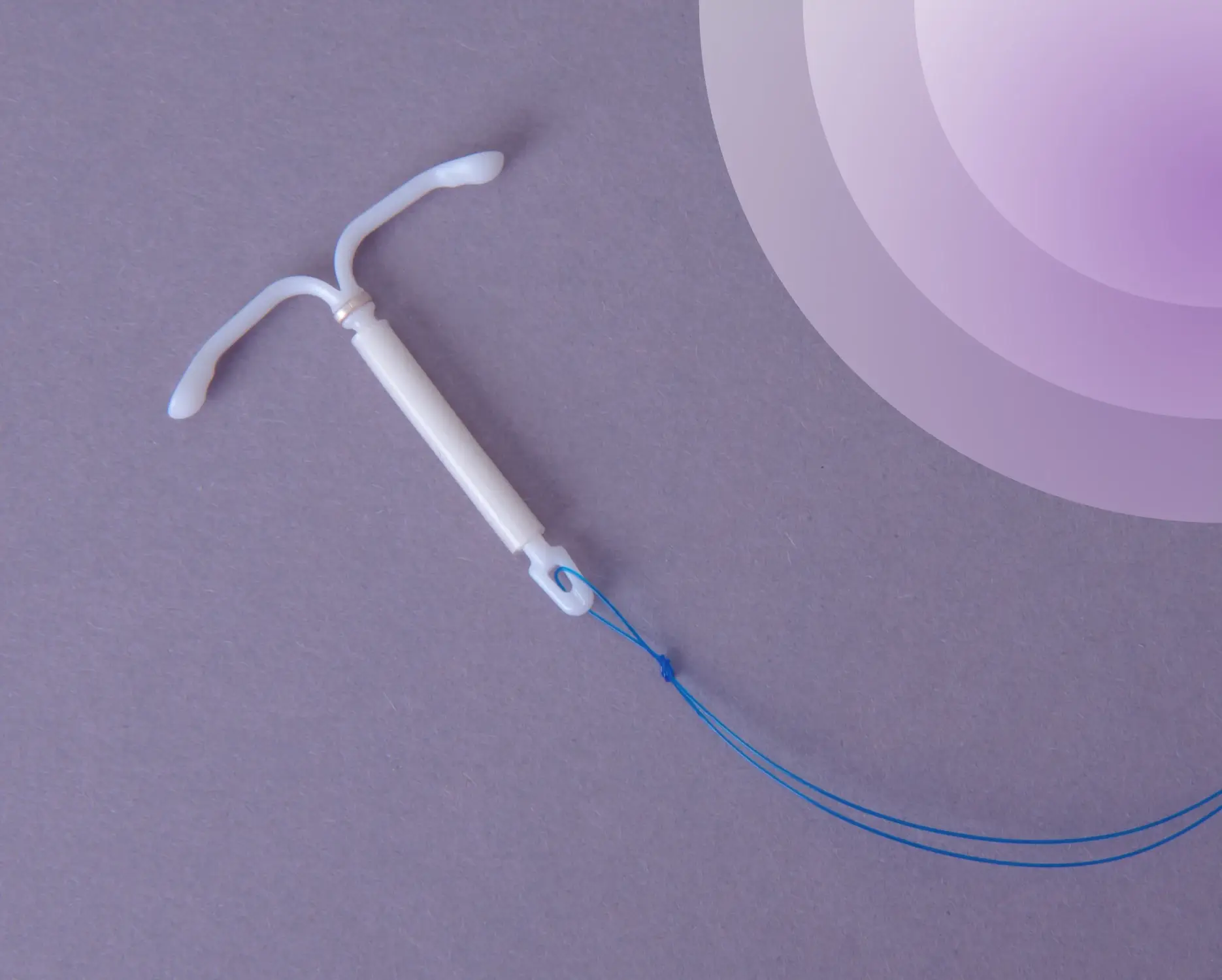
The Mirena IUS (intrauterine system) is a small, T-shaped device fitted inside the womb that slowly releases a low dose of the hormone levonorgestrel. It is one of the most effective forms of contraception available and is also widely used as a treatment for heavy periods.
At The Pelvic Clinic, Mr Broome fits, checks and removes the Mirena at Spire Manchester, with time in your appointment to talk through what to expect before, during and after fitting.

Overview
The Mirena releases levonorgestrel slowly and directly onto the lining of the womb. This stops the lining from building up each month, making periods shorter and lighter, and it also thickens cervical mucus, making it harder for sperm to reach an egg. In some women, it can temporarily stop the ovaries from releasing eggs.
It is licensed for contraception for up to eight years, and for treating heavy periods, or as the progestogen part of HRT to protect the womb lining, for up to five years.
Once fitted, it is over 99% effective as a contraceptive, and most women see their heavy bleeding reduce substantially within the first year, with around a third stopping periods altogether.
Who It Suits
The Mirena is a first-line treatment for heavy menstrual bleeding, helping around 70% to 80% of women, with average blood loss reduced by about 85% after three months of use.
Women taking oestrogen HRT who still have a womb need progestogen protection, which the Mirena can provide for up to five years.
A highly effective, reversible contraceptive that works immediately and does not need to be remembered daily, lasting up to eight years.
By thinning the womb lining, the Mirena can also ease period pain for many women.
For women with adenomyosis, the Mirena helps reduce pain and bleeding without needing surgery.
A hormonal option for treating simple hyperplasia of the womb lining without surgery, with regular biopsy follow-up.
Step by Step
The fitting itself takes about five minutes and is done in clinic. The whole appointment usually takes 20 to 30 minutes.

We will discuss your reasons for choosing Mirena, your medical history, and your concerns. We usually fit it during or just after your period.
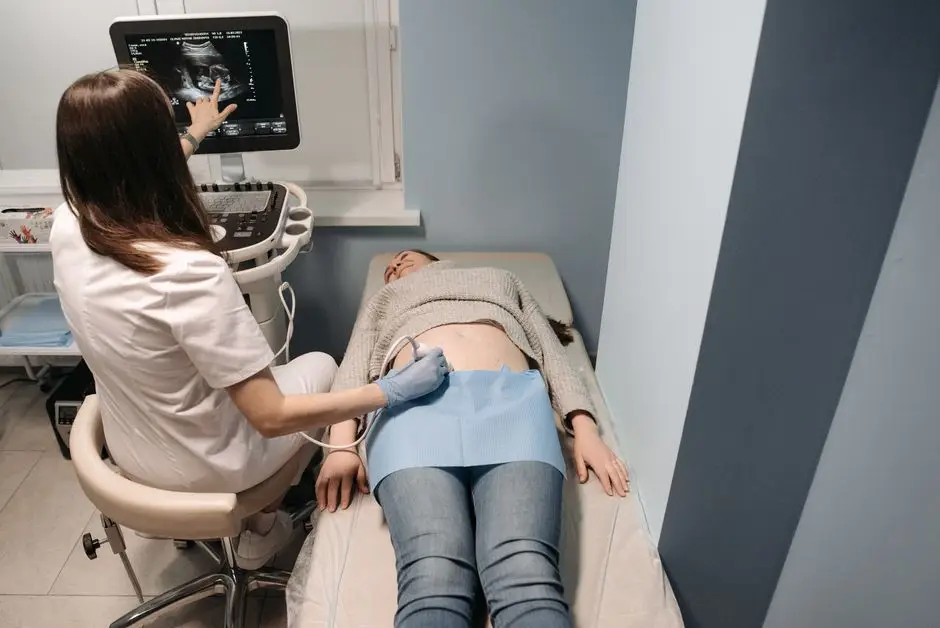
A gentle internal examination and, where useful, a bimanual exam to check the size and position of the womb.

The device is passed through the cervix into the womb using a fine applicator. Most women feel period-type cramps for 30 to 60 seconds.

The threads are trimmed, and you can rest for as long as you need before going home. A follow-up review is usually planned at six weeks.
Meet Your Consultant
Mr Jonathan Broome is a consultant gynaecologist and urogynaecologist based in Manchester, with 26 years’ experience, including 16 years in full private practice. He was trained in medicine at the University of Birmingham before completing a fellowship in advanced endoscopic gynaecology at the Royal Hospital for Women in Sydney. He then built his reputation treating complex pelvic floor cases as a consultant at Royal Bolton Hospital, and now consults privately, offering the Mirena IUS at Spire Manchester and Spire Hale.
He founded The Pelvic Clinic to give women the time to be listened to, to offer accurate diagnosis and a meaningful treatment plan individualised to each patient’s requirements, concerns and lifestyle goals.

In Our Patients’ Words
Verified reviews from patients seen by Mr Broome, shared through Doctify.
Real Patient Journeys
A snapshot of real patients that Mr Broome has treated across the range of conditions he specialises in.

A difficult labour left Alison with a uterine and vaginal wall prolapse. A keyhole sacrohysteropexy with Mr Broome lifted the…

Years of flooding periods and iron-deficiency anaemia caused by fibroids. A keyhole myomectomy with Mr Broome removed the…

Kate had been living with severe pelvic pain from endometriosis for over a decade. Laparoscopic excision surgery with Mr Broom…

After menopause, Kaye developed a bothersome vaginal vault prolapse that stopped her running and swimming. A…
Most women feel period-type cramps for 30 to 60 seconds as the coil is passed through the cervix. Taking ibuprofen an hour beforehand can help, and local anaesthetic is available if you would prefer it.
Up to eight years when used for contraception. If it is being used to treat heavy periods or as the progestogen part of HRT, it needs to be changed after five years.
As a contraceptive, it is effective immediately; no other contraception is needed. For heavy periods, it takes around two to three months to reach its full effect, and irregular bleeding is common in the meantime.
Not for everyone. Around a third of women stop having periods altogether, and most others find their periods become much lighter. This isn’t a cause for concern; it simply means the womb lining hasn’t built up. If you remove the Mirena, periods usually return to their previous pattern.
Yes, the Mirena is safe and suitable whether or not you have had children. Fitting can occasionally feel slightly more uncomfortable if you haven’t given birth vaginally, but this doesn’t prevent it from being fitted.
There is a small chance the coil can be expelled, particularly if your periods remain heavy. You can check that it is in place by feeling for the thread through the cervix; if you’re ever in doubt, your doctor or nurse can check for you.
Because the hormone acts mainly on the womb lining, with only a small amount reaching the bloodstream, hormonal side effects tend to be less common than with the pill. Some women notice bloating or water retention, and premenstrual-type symptoms in a minority, both of which tend to settle with time.
Yes, a trained clinician can remove it at any time, quickly and with only brief discomfort. Fertility returns very quickly afterwards, though it is usually best to wait for your next period before trying to conceive, so it’s easier to date the pregnancy.
Current evidence does not show a consistent link between the Mirena and weight gain, unlike some other hormonal contraceptives. Any weight changes are more likely to reflect other factors.
Mr Broome offers prompt private appointments to self-pay and insured patients, so you don’t have to wait months to discuss whether the Mirena is right for you.
Common Questions
Answers to the questions patients ask most often about the Mirena at The Pelvic Clinic.