

Treatments & Procedures
Laparoscopic salpingo-oophorectomy is keyhole surgery to remove one or both ovaries along with their fallopian tubes. It is used to treat ovarian cysts and advanced endometriosis, and to lower the risk of ovarian cancer in women with a BRCA gene mutation or a strong family history.
At The Pelvic Clinic, Mr Broome carries out laparoscopic salpingo-oophorectomy at Spire Manchester and Spire Hale, with time in your consultation to talk through whether surgery is right for you and what to expect before, during and after your operation.
Overview
Salpingo-oophorectomy is the surgical removal of a fallopian tube (salpingectomy) together with its ovary (oophorectomy). It can be done on one side only (unilateral) or on both sides (bilateral, sometimes shortened to BSO).
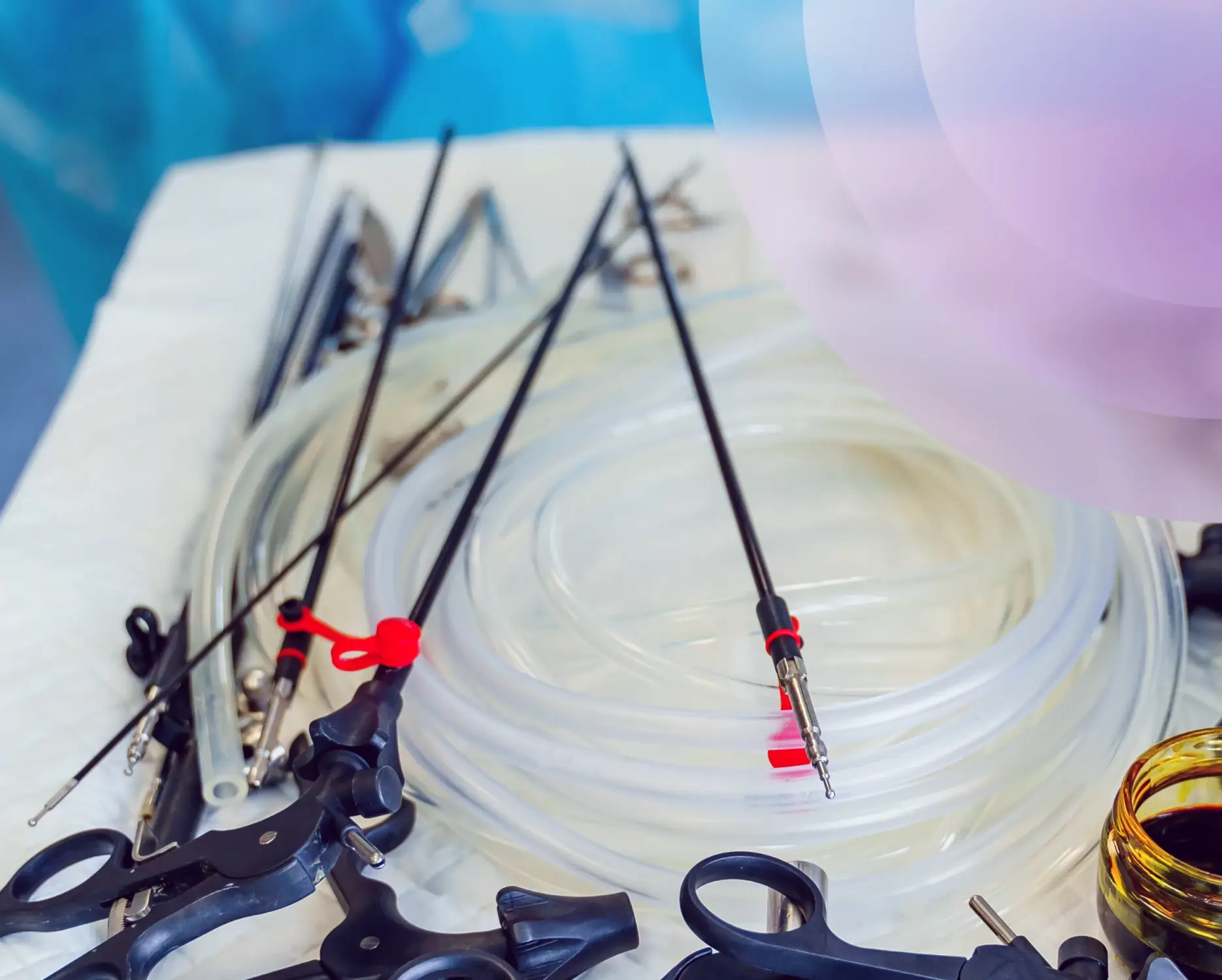
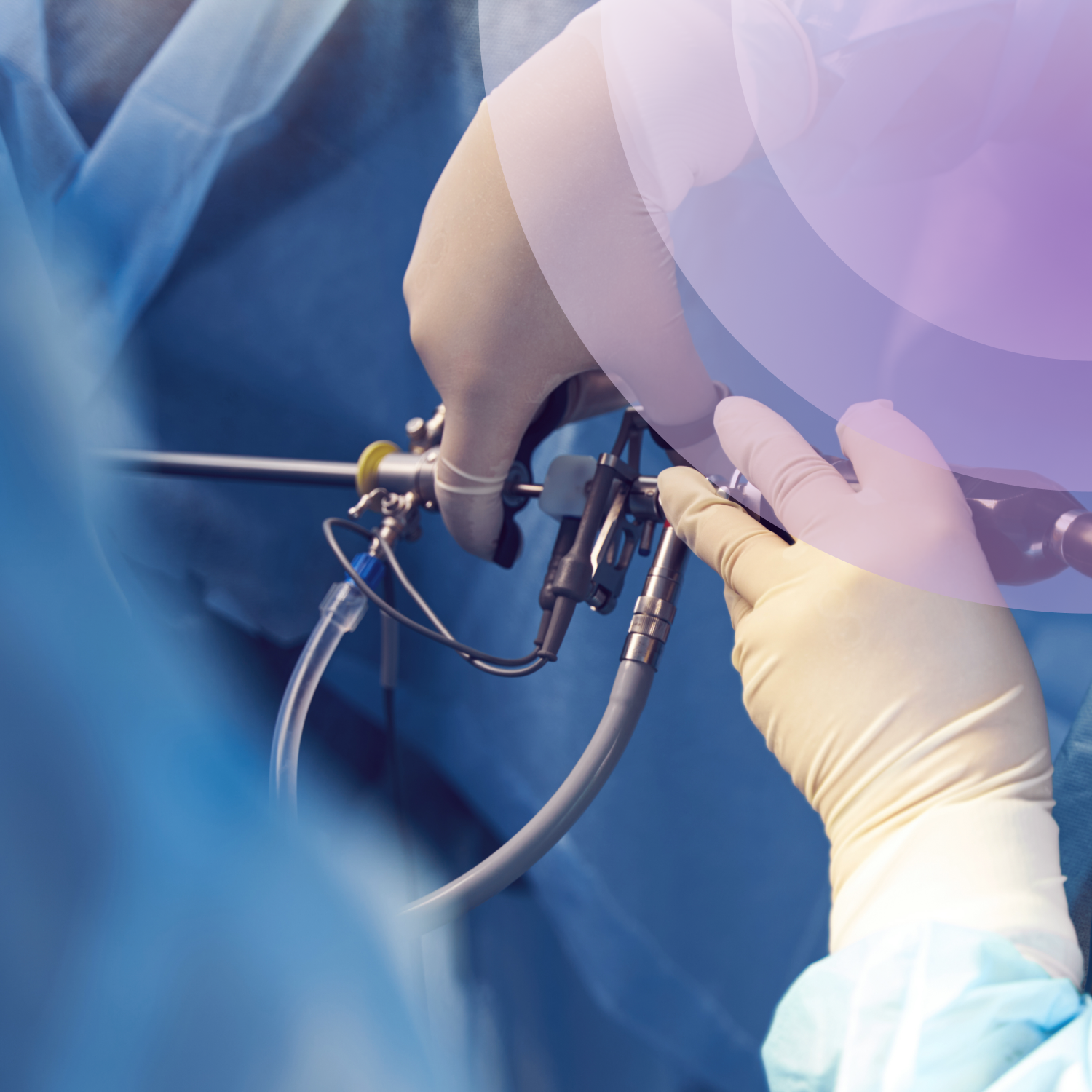
Laparoscopic surgery is done through small keyhole cuts using a camera and slim instruments, rather than through a larger open incision. This means less pain, a shorter hospital stay, and a quicker return to normal life than open surgery.
Who It Suits
For women whose PMS is severe enough that removing the ovaries is considered.
For women who develop ovarian cysts as they approach the menopause.
For women with endometriosis that has progressed to significantly involve the ovaries.
As a preventative measure for women who wish to reduce their risk of ovarian cancer.
For women at higher risk of ovarian cancer because of family history, a BRCA1 or BRCA2 gene mutation, or a personal history of hormone-related breast cancer.
Removal of both ovaries at the time of hysterectomy in women needing complete oestrogen suppression.
Step by Step
The operation is done under general anaesthetic. Most patients are admitted on the day of surgery and discharged the same day or the next morning.
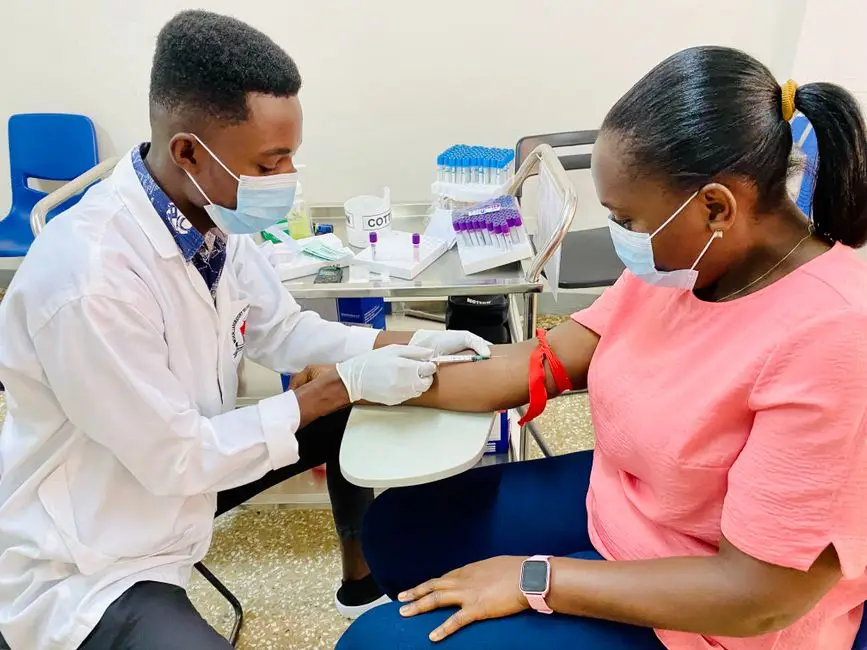
A pre-op appointment to check that you are fit for surgery, with a full discussion of the risks, benefits and any alternatives.
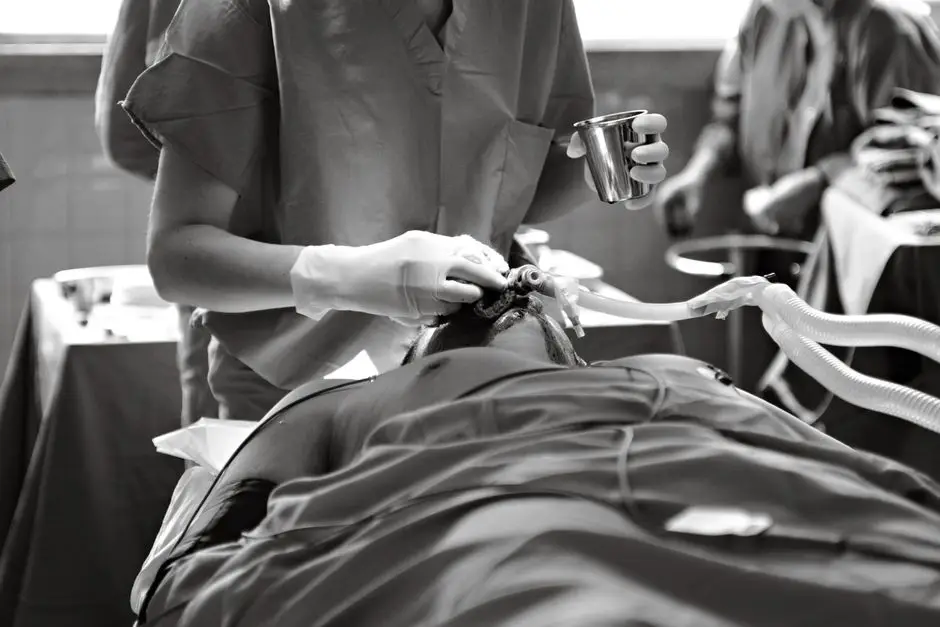
The operation is carried out under general anaesthetic and takes about an hour.
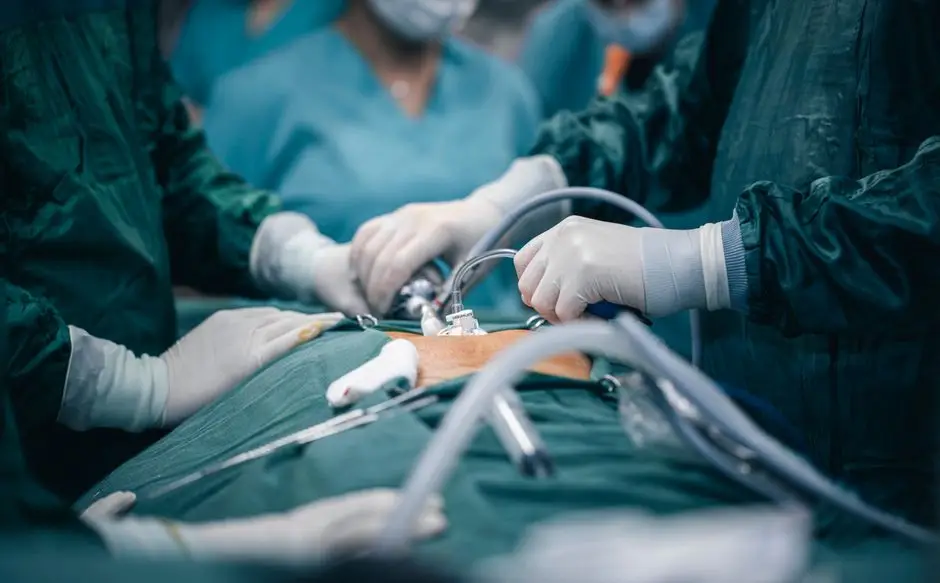
Three small incisions are made in the tummy, through which the ovary or ovaries and fallopian tubes are removed.
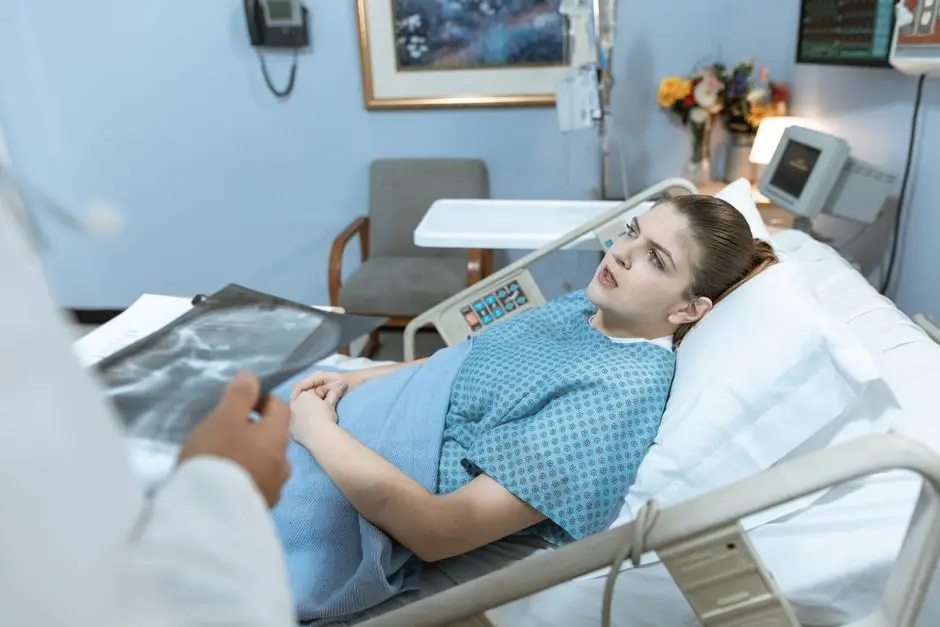
The procedure involves an overnight hospital stay, and most women return to normal activities within two weeks.
Meet Your Consultant
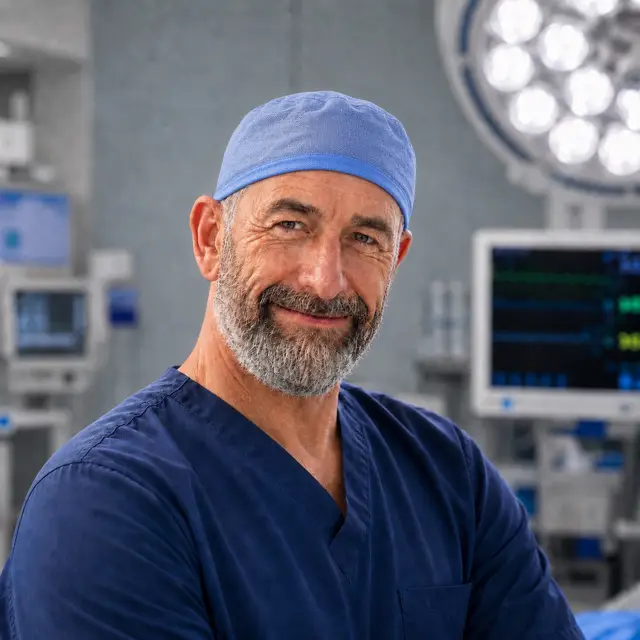
Mr Jonathan Broome is a consultant gynaecologist and urogynaecologist based in Manchester, with 26 years’ experience, including 16 years in full private practice. He was trained in medicine at the University of Birmingham before completing a fellowship in advanced endoscopic gynaecology at the Royal Hospital for Women in Sydney. He then built his reputation treating complex pelvic floor cases as a consultant at Royal Bolton Hospital, and now consults privately, undertaking laparoscopic salpingo-oophorectomy at Spire Manchester and Spire Hale.
He founded The Pelvic Clinic to give women the time to be listened to, to offer accurate diagnosis and a meaningful treatment plan individualised to each patient’s requirements, concerns and lifestyle goals.
In Our Patients’ Words
Verified reviews from patients seen by Mr Broome, shared through Doctify.
Real Patient Journeys
A snapshot of real patients that Mr Broome has treated across the range of conditions he specialises in.
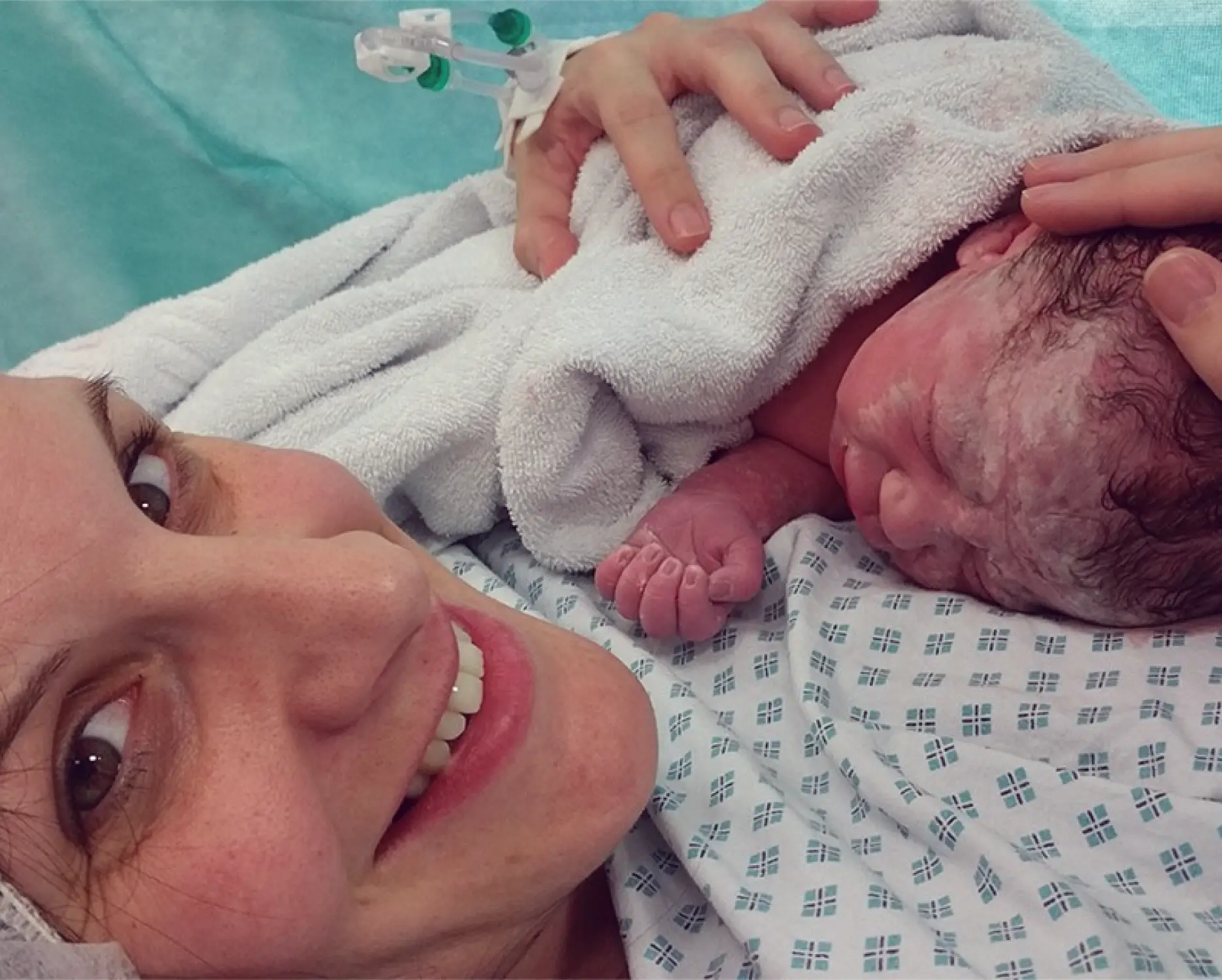
A difficult labour left Alison with a uterine and vaginal wall prolapse. A keyhole sacrohysteropexy with Mr Broome lifted the…

Years of flooding periods and iron-deficiency anaemia caused by fibroids. A keyhole myomectomy with Mr Broome removed the…
Kate had been living with severe pelvic pain from endometriosis for over a decade. Laparoscopic excision surgery with Mr Broom…

After menopause, Kaye developed a bothersome vaginal vault prolapse that stopped her running and swimming. A…
If both ovaries are removed before you reach a natural menopause, your body immediately stops producing oestrogen and progesterone, and you enter surgical menopause. If only one ovary is removed, the remaining ovary continues to produce hormones as normal. If you are already post-menopausal, this does not apply.
Usually between 30 and 45 minutes under general anaesthetic, depending on whether one or both sides are being removed and whether there are adhesions to deal with.
The procedure involves an overnight stay in hospital, so you would normally go home the following day, once you are eating, able to move around comfortably, and your pain is well controlled.
Most women return to normal, non-strenuous activity within two weeks. Heavier lifting, exercise, and driving are usually best avoided until you feel comfortable doing them, which for most women is within that two-week window.
If both ovaries are removed before a natural menopause, Mr Broome will usually prescribe Hormone Replacement Therapy (HRT) to replace the hormones your body can no longer make and ease the transition into surgical menopause, unless there’s a specific reason it isn’t suitable for you. If you are already menopausal, HRT is optional and depends on your individual circumstances.
As with any surgery, there are risks of bleeding, infection, and injury to nearby organs such as the bladder or bowel. There is also a small anaesthetic risk, including chest infections, which is higher for smokers or those with existing lung problems. Mr Broome, a very experienced laparoscopic surgeon, will discuss how these risks apply to your individual case before your operation.
You will have three small scars on your tummy, each around 5mm width. These fade significantly with time and are far less visible than the scar left by open surgery.
Yes, but waiting times are often long. Self-pay and insured patients are usually seen within one week and treated within four to six.
Removing one ovary (unilateral) does not usually prevent natural conception, as the remaining ovary continues to release eggs. Removing both ovaries (bilateral) ends natural fertility, since no eggs are produced afterwards. If preserving fertility matters to you, for example, egg or embryo freezing beforehand, this should be discussed with Mr Broome ahead of surgery.
Many women notice shoulder tip pain for a day or two, caused by the gas used to inflate the tummy during keyhole surgery, along with mild discomfort around the small wound sites. This is usually well controlled with simple painkillers and settles within a week.
Common Questions
Answers to the questions patients ask most often about laparoscopic salpingo-oophorectomy at The Pelvic Clinic.