

Vulval Skin Care
Vulval skin conditions, from lichen sclerosus to dermatitis and thrush, cause itching, soreness, or changes in the skin that many women find hard to raise with their GP, and go undiagnosed for months as a result.
Mr Jonathan Broome, consultant gynaecologist at The Pelvic Clinic, offers a discreet, thorough examination and a clear diagnosis, with treatment options ranging from simple skincare changes to targeted steroid or hormonal treatment. He sees patients at Spire Manchester and Spire Hale.


Overview
Vulval skin conditions are an umbrella term for a range of conditions affecting the skin of the vulva, the external genital area. The most common include lichen sclerosus and lichen planus, both long-term inflammatory conditions; vulval dermatitis, caused by irritation or allergy; vulval atrophy, linked to lower oestrogen levels; and thrush, a yeast infection.
These conditions are common and often treatable once properly diagnosed, yet many go undiagnosed for years because symptoms feel too personal to raise. Each has a different underlying cause, so an accurate diagnosis, rather than guesswork or over-the-counter creams, is more likely to resolve symptoms and prevent long-term skin changes.
What to Look For
Persistent itching that does not improve with usual creams, and is often worse at night.
Ongoing soreness, stinging or rawness, particularly after washing, urinating or during and after sex.
Patches of white, red or thickened skin, or skin that looks thinner or more fragile than usual.
Discomfort or pain during sex, sometimes with a feeling of tightness or dryness around the entrance.
A change in discharge, or an unusual odour, alongside itching or soreness rather than on its own.
Small splits, cracks or blisters in the skin, which can make sitting or walking uncomfortable.
What Causes It
Vulval skin conditions have several different underlying causes, which is why the right treatment depends on an accurate diagnosis rather than trial and error.
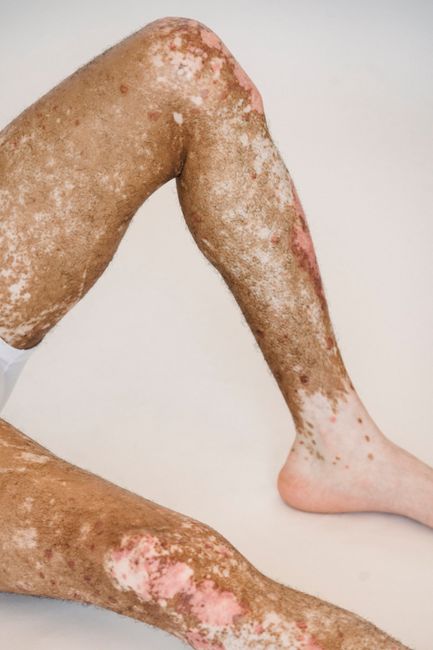
Conditions such as lichen sclerosus and lichen planus happen when the immune system mistakenly attacks the skin, causing inflammation.

Soaps, wipes, tight clothing, or laundry products can trigger vulval dermatitis, an inflammatory reaction in already sensitive skin.

Falling oestrogen levels, particularly after menopause, can thin and dry the vulval skin, leading to a condition called vulval atrophy.
Recurrent thrush, bacterial vaginosis, or herpes can trigger persistent vulval inflammation and pain, which sometimes continues long after the infection has resolved.

Treatments Available
Treatment depends on the condition causing your symptoms, ranging from simple skincare changes to topical steroids, hormone treatment, or antifungal medication.
Switching to fragrance-free washes, avoiding tight clothing, and using an emollient as a soap substitute can calm irritation and protect sensitive vulval skin day-to-day.
For conditions such as lichen sclerosus or lichen planus, a steroid cream applied directly to the skin is usually the main treatment, used carefully and reviewed regularly.
Where thinning and dryness are linked to falling oestrogen, a topical oestrogen cream or vaginal tablet can restore the skin, with HRT considered if other symptoms need it too.
Thrush usually responds well to antifungal cream, pessaries or tablets, though recurrent or severe infections may need a longer course to fully clear the imbalance.
Meet Your Consultant
Mr Jonathan Broome is a consultant gynaecologist and urogynaecologist based in Manchester, with 26 years’ experience, including 16 years in full private practice. He was trained in medicine at the University of Birmingham before completing a fellowship in advanced endoscopic gynaecology at the Royal Hospital for Women in Sydney. He then built his reputation treating complex pelvic floor cases as a consultant at Royal Bolton Hospital, and now consults privately, managing vulval skin conditions at Spire Manchester and Spire Hale, seeing women from across Greater Manchester, Bolton and Cheshire.
He founded The Pelvic Clinic to give women the time to be listened to, to offer accurate diagnosis and a meaningful treatment plan individualised to each patient’s requirements, concerns and lifestyle goals.

In Our Patients’ Words
Verified reviews from patients seen by Mr Broome, shared through Doctify.
Real Patient Journeys
A snapshot of real patients that Mr Broome has treated across the range of conditions he specialises in.

A difficult labour left Alison with a uterine and vaginal wall prolapse. A keyhole sacrohysteropexy with Mr Broome lifted the…

Years of flooding periods and iron-deficiency anaemia caused by fibroids. A keyhole myomectomy with Mr Broome removed the…

Kate had been living with severe pelvic pain from endometriosis for over a decade. Laparoscopic excision surgery with Mr Broom…

After menopause, Kaye developed a bothersome vaginal vault prolapse that stopped her running and swimming. A…
Lichen sclerosus, lichen planus, vulval eczema, chronic thrush, genitourinary syndrome of menopause and vulvodynia are the conditions most often seen in the specialist clinic.
By a detailed history, a specialist examination and, when needed, a small biopsy taken under local anaesthetic in clinic.
Lichen sclerosus is a long-term skin condition that mainly affects the vulva and the skin around the perineum, most often in women who have been through menopause. It typically causes intense itching and small white patches that can grow and join together, with the skin becoming thin, cracked, or sore over time. If you’re noticing white patches, persistent itching, or skin changes in this area, it may be worth getting them checked rather than assuming it’s something else.
Untreated lichen sclerosus carries a small but real risk of vulval cancer, around 4 to 5 per cent over a lifetime. Well-controlled lichen sclerosus brings this risk close to background.
Yes, when used correctly under specialist guidance. Potent topical steroids are the mainstay of treatment for lichen sclerosus and lichen planus and are well tolerated long term.
Soaps and shower gels strip natural oils and disrupt the skin barrier, which worsens itching and irritation. A soap substitute is a simple but important part of every treatment plan.
Yes. Most vulval conditions respond well to treatment and comfortable sex is a realistic goal. Vaginal moisturisers, lubricants and, at menopause, vaginal oestrogen all help.
Vulvodynia is chronic vulval pain without a visible cause. It responds best to a combined plan of specialist physiotherapy, topical treatment and, in some cases, nerve-pain medication.
Conditions such as lichen sclerosus need long-term skin care and periodic review. Others resolve completely with a short course of treatment.
Some can be resolved fully. Chronic inflammatory conditions cannot be cured but can be controlled very well, so the skin looks and feels normal for most of the time.
Self-pay and insured patients are usually seen within a week. Any biopsy needed is taken in clinic, and results are back within about 10 days.
Common Questions
Answers to the questions patients ask most often about vulval skin conditions, examination and treatment at The Pelvic Clinic.