

Stress Incontinence Care
Stress incontinence means leaking urine during physical exertion, such as coughing, laughing, or exercise.
Mr Jonathan Broome, consultant gynaecologist at The Pelvic Clinic, is well known for treating pelvic floor disorders, offering a thorough assessment and a treatment plan built around you.
From pelvic floor exercises to surgery. He sees patients at Spire Manchester and Spire Hale.
Overview
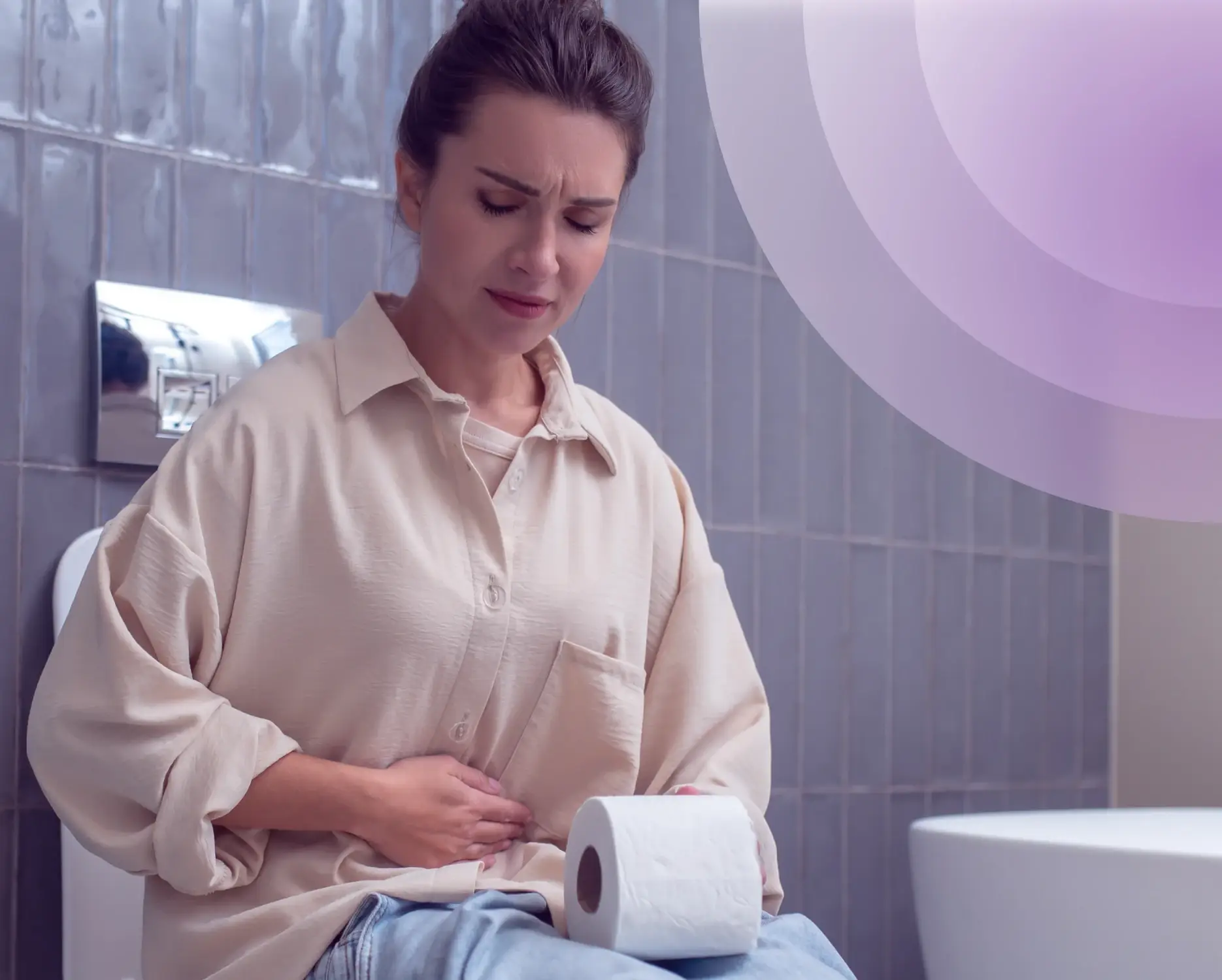
Stress incontinence is leaking urine during activities that put pressure on your bladder, such as coughing, sneezing, laughing, lifting, or exercise. It happens when the muscles and tissues supporting your bladder and urethra are weakened, so they cannot hold firm against sudden increases in pressure.
It is different from urge incontinence, where a sudden, strong need to urinate causes leakage, and from mixed incontinence, where both occur together. Stress incontinence is common, particularly after childbirth or menopause, and affects up to one in three women at some point. Treatment ranges from pelvic floor exercises to surgery; mesh tape procedures are currently paused across the UK on safety grounds, so surgical options such as colposuspension or a sling procedure are discussed and explained fully before you decide.
What to Look For
A small leak of urine when you cough, sneeze or laugh suddenly and without warning.
Running, jumping or lifting weights can bring on leakage that stops as soon as you rest.
Lifting something heavy, bending over, or standing up from sitting can trigger a small leak.
Wearing a pad as a precaution, or avoiding certain activities altogether out of worry about leaking.
Leaks that were once occasional becoming more frequent or heavier, particularly after childbirth or menopause.
No urge or warning beforehand, and no leaking at rest, unlike other types of incontinence.
What Causes It
Several factors can weaken the muscles that support your bladder and urethra, and often more than one is at play.

Childbirth, especially a long labour or a forceps delivery, can stretch or weaken the muscles that keep your urethra closed.
Falling oestrogen levels and naturally weakening pelvic floor muscles with age can reduce support and make urinary leaks more likely.

Anything that repeatedly pushes down on your bladder, from a chronic cough to constipation or carrying extra weight, adds strain over time.

A long-standing cough or persistent straining on the toilet repeatedly loads the pelvic floor, and both are strongly linked to stress incontinence.

Treatments Available
Treatment usually starts with pelvic floor physiotherapy, moving on to surgery such as bulking agents, colposuspension, or a sling procedure.
A specialist pelvic floor physiotherapist can assess your muscles and build a tailored programme, often using biofeedback, which usually gives better results than exercises done alone.
This operation lifts and supports the neck of the bladder using stitches through the vaginal wall, and typically involves a short hospital stay and a six-week recovery.
A sling made from your own or donor tissue is placed around the neck of the bladder to support it, an option sometimes considered when other treatments haven't worked.
A less invasive option where a substance is injected into the urethral wall to help it stay closed, though results are more modest and may need repeating.
Meet Your Consultant
Mr Jonathan Broome is a consultant gynaecologist and urogynaecologist based in Manchester, with 26 years’ experience, including 16 years in full private practice. He was trained in medicine at the University of Birmingham before completing a fellowship in advanced endoscopic gynaecology at the Royal Hospital for Women in Sydney. He then built his reputation treating complex pelvic floor cases as a consultant at Royal Bolton Hospital, and now consults privately at Spire Manchester and Spire Hale, seeing women from across Greater Manchester, Bolton and Cheshire.
He founded The Pelvic Clinic to give women the time to be listened to, to offer accurate diagnosis and a meaningful treatment plan individualised to each patient’s requirements, concerns and lifestyle goals.

In Our Patients’ Words
Verified reviews from patients seen by Mr Broome, shared through Doctify.
Real Patient Journeys
A snapshot of real patients that Mr Broome has treated across the range of conditions he specialises in.
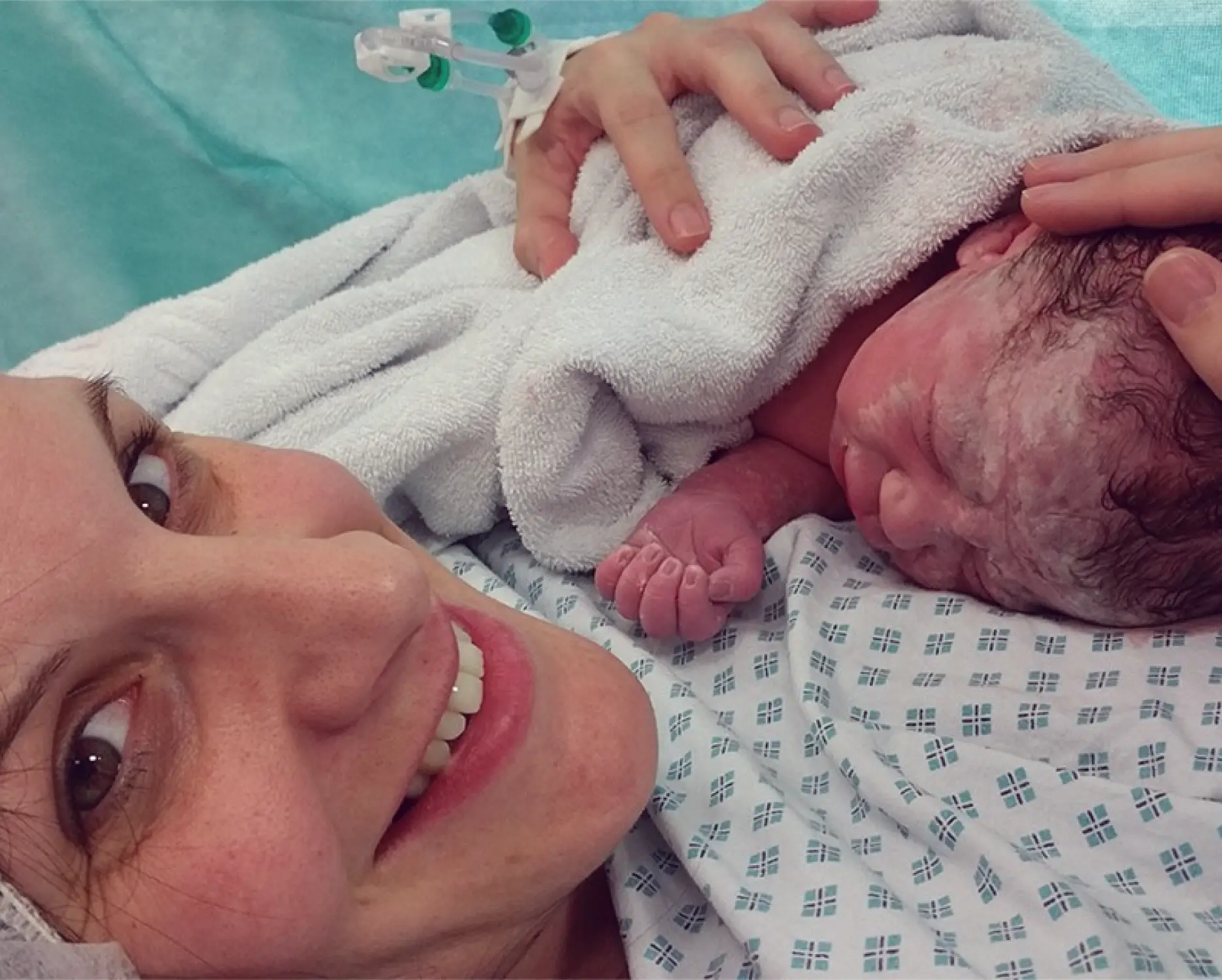
A difficult labour left Alison with a uterine and vaginal wall prolapse. A keyhole sacrohysteropexy with Mr Broome lifted the…

Years of flooding periods and iron-deficiency anaemia caused by fibroids. A keyhole myomectomy with Mr Broome removed the…

Kate had been living with severe pelvic pain from endometriosis for over a decade. Laparoscopic excision surgery with Mr Broom…

After menopause, Kaye developed a bothersome vaginal vault prolapse that stopped her running and swimming. A…
This is one of the most common symptoms of stress incontinence and is very common, particularly after childbirth or around the menopause. It happens when sudden pressure on the bladder, from coughing, sneezing, laughing, lifting, or exercise, exceeds the strength of the muscles and tissues that normally keep the urethra closed. You don’t have to simply live with it. If it happens regularly or affects your day-to-day life, it may be worth having an assessment, as several effective treatment options are available, from pelvic floor physiotherapy to minor procedures and surgery.
How long it lasts varies a great deal from person to person and depends on the underlying cause, so there isn’t a single timeframe that applies to everyone. Mild symptoms sometimes improve with pelvic floor exercises alone, while others need further treatment to see meaningful change. As a general guide, if symptoms have lasted more than a few months, are getting worse, or are limiting what you feel able to do, it’s reasonable to seek a specialist assessment rather than wait and see.
A full history, an examination, a bladder diary and, in some cases, urodynamic testing to measure exactly how the bladder and urethra are behaving.
Supervised pelvic floor training with a specialist women’s health physiotherapist. Around 70 per cent of women with mild to moderate leakage improve significantly with this alone.
Small injections around the urethra that plump up the tissues so the urethra closes better. It is done under local anaesthetic, and you go home the same day.
Following the UK pause on transvaginal mesh, mesh slings are very rarely offered in exceptional circumstances following a full discussion. Fascial slings using your own tissue and bulking agents are usually preferred.
Most women go home the same day, return to desk work in two weeks, and return to running and heavy exercise around eight weeks.
It commonly does, particularly around and after menopause, so early treatment is easier and more effective than waiting until symptoms are severe.
Yes, and with treatment most women return fully to their sport. A structured return-to-run programme after any surgery or rehab is important.
No. Many women are treated successfully with physiotherapy and bulking injections. Surgery is only recommended when other options have not worked or are unsuitable.
Self-pay and insured patients are usually seen within a week or two. Investigations and physiotherapy referrals are arranged at the first appointment.
Common Questions
Answers to the questions patients ask most often about stress incontinence, assessment and treatment options at The Pelvic Clinic.