Sacrohysteropexy is a keyhole operation that lifts a prolapsed womb back into its normal position and holds it there with a small strip of tissue (donor fascia) anchored to the sacrum, without removing the womb.
At The Pelvic Clinic, Mr Broome performs sacrohysteropexy laparoscopically, drawing on extensive experience in prolapse surgery. Most women go home the next day and are back to normal daily activities within a few weeks.
Sacrohysteropexy uses a narrow strip of tissue (donor fascia) to support the cervix and womb, lifting them up to the strong ligament in front of the sacrum. The fascia sits behind the peritoneum; the thin lining inside the tummy, well away from the vagina.
It offers a womb-sparing alternative to vaginal repair or hysterectomy, with good long-term support and no effect on the ability to carry a future pregnancy. Recovery is typically quicker than with a hysterectomy, since the womb is preserved and the operation is done through keyhole incisions rather than open surgery. Most women are back to light activity within a couple of weeks, with a gradual return to normal exercise and heavier lifting as advised by Mr Broome. Sacrohysteropexy is generally suitable for women who have completed their family, though it can be considered for those planning future pregnancy after discussion with Mr Broome about timing and delivery mode.
An abdominal keyhole route that avoids the vagina entirely, unaffected by the UK pause on transvaginal mesh.
Sacrohysteropexy suits many but not all women with uterine prolapse. The right operation is chosen with you at the consultation.
Step by Step
What the procedure involves
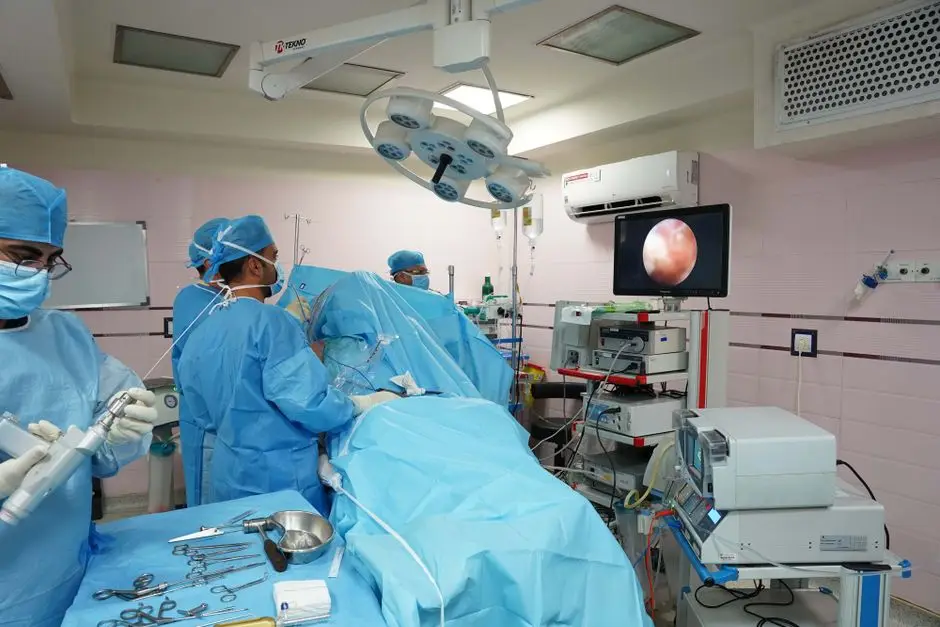
The operation is carried out under general anaesthetic and normally takes 45 to 90 minutes.
Pre-operative assessment
A pre-op appointment with a full examination, blood tests, an ECG where needed, and a clear discussion of the risks, benefits and alternatives.
Keyhole entry
Three small cuts allow a camera and fine instruments into the abdomen, and the peritoneum over the cervix and sacrum is opened.
Placing the fascia
A narrow strip of donor fascia is attached to the cervix and to the ligament in front of the sacrum, lifting the womb securely back into place.
Same-day mobilisation
You wake in recovery, are up and walking within a few hours, and are usually able to go home the following morning.
Meet Your Consultant
Your Manchester sacrohysteropexy specialist
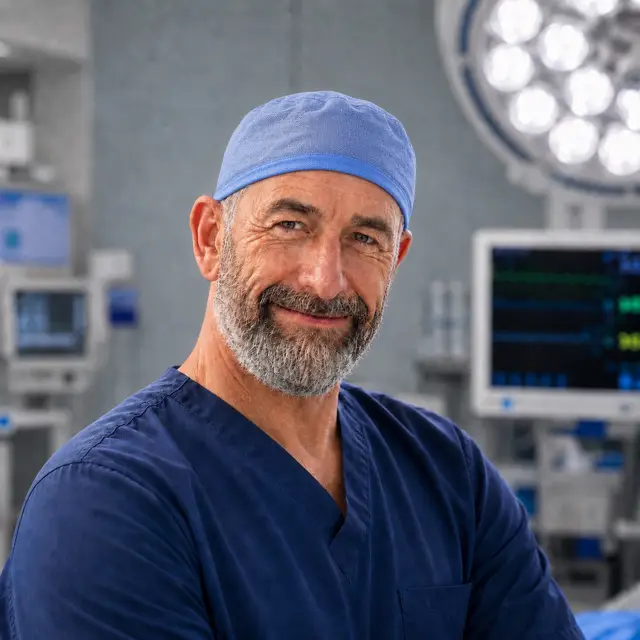
Mr Jonathan Broome is a consultant gynaecologist and urogynaecologist based in Manchester, with 26 years’ experience, including 16 years in full private practice. He trained in medicine at the University of Birmingham before completing a fellowship in advanced endoscopic gynaecology at the Royal Hospital for Women in Sydney. He then built his reputation treating complex pelvic floor cases as a consultant at Royal Bolton Hospital. He now consults privately and performs laparoscopic sacrohysteropexy at Spire Manchester and Spire Hale, offering women with womb prolapse a keyhole, womb-sparing repair.
He founded The Pelvic Clinic to give women the time to be listened to, to offer accurate diagnosis and a meaningful treatment plan individualised to each patient’s requirements, concerns and lifestyle goals.
Consultant Gynaecologist, MBChB, MRCOG.
Over 30 papers published in peer-reviewed medical journals.
A urogynaecology expert consulted by institutions worldwide.
Keyhole prolapse repair, often without the need for hysterectomy.
No. Sacrohysteropexy places a tissue sling (donor fascia) behind the peritoneum through keyhole cuts in the abdomen, not in the vagina.
How long is the operation?
Surgery usually takes 45 to 90 minutes, depending on individual anatomy and whether any other repair is needed at the same time.
When can I go home?
Most women stay in the hospital overnight and go home the following day.
When can I drive?
Most women feel ready to drive again after about four weeks, once they can perform an emergency stop comfortably and are no longer taking strong painkillers.
When can I return to exercise?
Gentle walking can resume straight away. Normal daily activity is usually comfortable within two to three weeks, with a return to the gym, running or heavier lifting typically advised from around 8-12 weeks.
Can I still have a baby afterwards?
Yes, the womb is preserved, and the operation doesn’t affect fertility, though any future pregnancy and delivery would be discussed with your obstetrician.
What are the risks?
As with any keyhole surgery, risks include bleeding, infection, injury to nearby organs and, rarely, donor fascia-related complications. These are discussed individually with you before surgery.
How successful is it?
Sacrohysteropexy has good long-term success rates for supporting the womb, and NICE has found the evidence on its efficacy adequate to support its use.
Do I have to have mesh?
No. Mr Jonathan Broome does not use mesh in any prolapse repairs undertaken at the Pelvic Clinic.
How quickly can I be seen?
Private appointments can usually be arranged within days for self-pay and insured patients, without the wait typically associated with an NHS referral.
Common Questions
Frequently asked questions
Answers to the questions patients ask most often about sacrohysteropexy at The Pelvic Clinic.