
Vulvar ulcers can affect women and girls of all ages, and the one thing they’ll have in common is that the ulcers will be unpleasant and quite painful in some cases.
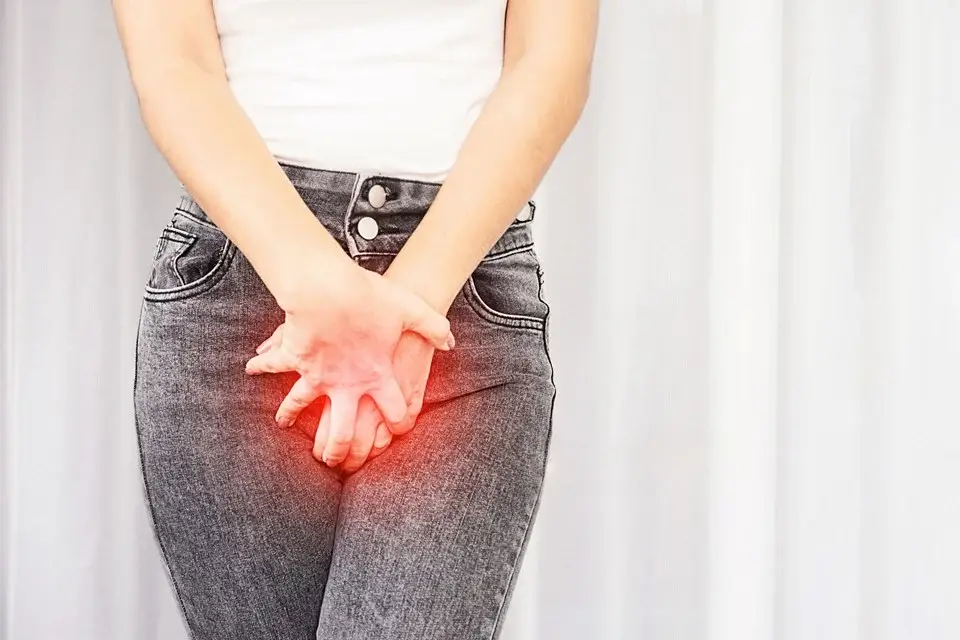
These are sores that develop on the vulva, which is the outer part of the female genitalia, and typically show as breaks in the skin and mucous membranes. There are several causes and symptoms.
Skin, mucus membranes and mucus glands make up the vulva, and because this part of the body is covered with no air circulation, there is unsurprisingly a large potential for problems to occur. Problems in the genitalia are often ignored in the hope they will just go away. Treatment is often not sought, mostly through embarrassment, until it becomes very painful or otherwise problematic.
What are the symptoms?
In some cases, there can be little to no specific symptoms other than soreness, though there may be inflammation or swelling around the area. Most vulvar ulcers, though, will be painful with leakage of fluid or blood. Common symptoms include:
- Pain or burning when urinating or during sex
- Difficulty urinating
- Itchiness
- Raised lumps or bumps
- Rashes
- Unusual or foul-smelling vaginal discharge
- Swellings in the groin
- Abnormal changes in the colour of the vulvar skin
- Pain in the pelvic area
- Fever
There could be other, non-specific symptoms or changes to the vulvar area and if in doubt about any changes these should always be checked out by your gynaecologist who will examine you and make a diagnosis based on your medical history, symptoms, lifestyle, use of personal hygiene products and sexual activity. All this information will help to form a correct diagnosis and treatment plan.
Causes of vulvar ulcers
There are many things which can cause vulvar ulcers to erupt; infection, either sexually transmitted (STI) or non-sexually transmitted, is a major cause. STIs which can cause vulvar ulcers include:
- Primary syphilis
- Genital herpes, caused by the herpes simplex virus HSV2
- Chlamydia
- Gonorrhoea
- HIV
Non-sexually transmitted viral infections include:
- Epstein-Barr virus
- Herpes simplex
- Cytomegalovirus
- Shingles or herpes zoster caused by the varicella-zoster virus
- A fungal infection called vulvovaginal candidiasis is very common
Vulvar ulcers may be caused or aggravated by other factors such as an allergic reaction to certain ingredients in personal hygiene or bath products, or to products which aid sex, or they can be an adverse reaction to shaving or waxing. A traumatic injury can cause ulceration to develop.
Less common causes occur because of excessive immune reactions through infection or inherited inflammatory conditions, including:
- Autoimmune conditions like Crohn’s disease or Behcet disease
- Bacterial infection such as Strep A or Mycoplasma
- Tonsillitis or upper respiratory infection
- Viral infection such as mumps or HIV
- Parasitic infections such as toxoplasmosis
Left untreated?
Vulvar ulcers can go on to become infected or create other serious complications, so at the first sign of discomfort, please come and see Dr Broome for help.
Treatments
Treatment varies depending on the cause but can include home remedies for some milder cases.
For ulcers that occur because of allergic reactions to products or tissue damage, the treatment is usually with over-the-counter painkillers and topical products to reduce the pain and discomfort. Advice on proper hygiene and self-care will help to resolve the issue.
Severe outbreaks will often require medical attention with ongoing dressing changes and regular cleaning.
Other treatments include oral antibiotics for bacterial or fungal infections or STIs, while viral infections can be treated with antiviral medications. Steroids or topical corticosteroids may be prescribed by a doctor treating immune or inflammatory conditions.
Recurring infections such as herpes or HIV require daily or regular medications to prevent the transmitting to others.