There are many reasons for vaginal soreness, and with sore vagina symptoms ranging from mild to severe, it can be merely slightly irritating, or it can severely impact your day-to-day life.
Sometimes the reason for a sore vagina is obvious, with irritation from toiletries or even menopause among the more obvious, but sometimes the issue has to be investigated in order to find and treat the problem.
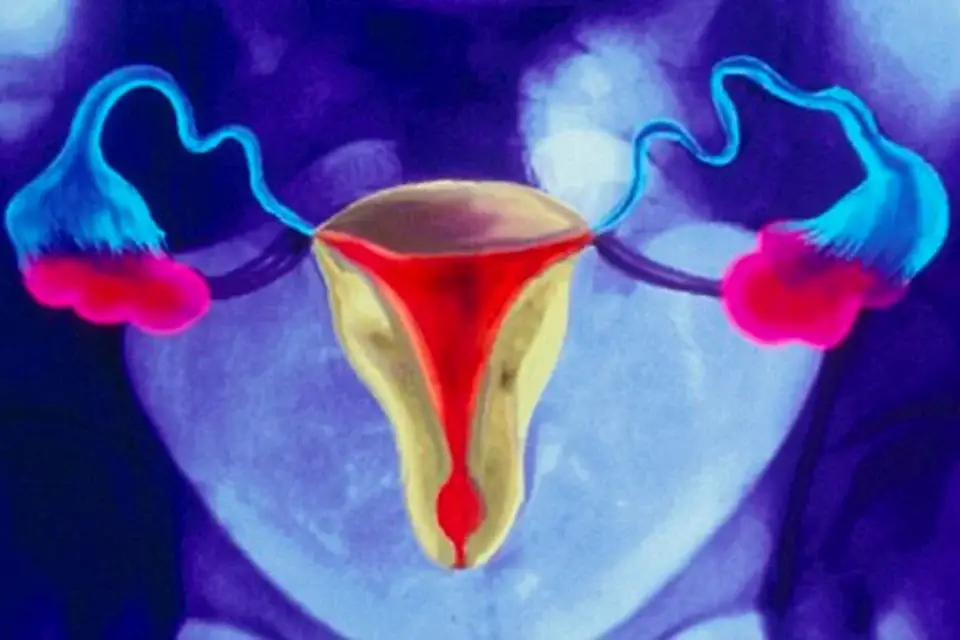
Patients will often present with complaints about a sore vagina but often, the issue can actually stem from the outer part of the genitals, such as the vulva or from the pelvic area. Here we discuss the various causes of vaginal soreness.
Yeast infection
If you are experiencing pain and itching around the vagina and the vulva, this could be a yeast infection from a fungus called Candida albicans. Aside from pain and itching, other symptoms include redness and a white, often smelly, discharge. However, although very common, with most women experiencing a yeast infection at least once, this should always be diagnosed by a health professional in order to get the correct treatment, as these symptoms can also be seen in some other conditions.
Bacterial Vaginosis
If you notice an unpleasant odour from your vaginal area together with itching, pain when urinating, and a discharge that could be white, grey, or thick, this could indicate bacterial vaginosis. BV is an infection caused by an overgrowth of bacteria in the vagina.
Sexually transmitted infections (STIs)
There are several STIs that can cause a sore vagina or pain in the vulva, together with itching and burning. These include Trichomoniasis, Gonorrhoea, chlamydia, and Genital Herpes (which also causes painful warts or sores).
Chlamydia is the most commonly seen bacterial STI, particularly among younger adults who are sexually active, and can affect males and females. Therefore, it is important for you and your partner (s) to be tested and treated with antibiotics.
Trichomoniasis is caused by a parasite and affects males and females. Symptoms for men include pain when urinating, and for women, itching, irritation, and discharge. Treatment is with antimicrobial medication.
Genital Herpes is an infection caused by the Herpes Simplex Virus (HSV-2) and is contracted through skin contact, sometimes causing painful sores or warts. The condition is managed with antiviral therapy and general health advice.
Gonorrhoea affects males and females and, as a bacterial infection, can be treated with antibiotics. Left untreated, it can have very severe impacts on health, so it needs to be investigated as soon as possible.
Experiencing persistent vaginal soreness or discomfort?
Vaginal soreness can have many different causes, and getting the right diagnosis is the first step towards effective treatment. Mr Broome takes the time to understand your symptoms and provide expert, personalised advice to help identify the cause and find the right treatment for you. Get in touch today to discuss your symptoms and explore your treatment options.
Urinary tract infection (UTI)
UTIs are extremely common but can cause quite severe pain and a feeling of pressure in the pelvic area, along with an urgent need to urinate. Urine can be darker coloured than usual with a strong odour. A UTI can cause pain during sex, leaving you with a sore vagina afterwards.
Bartholin’s cyst
The Bartholin’s glands, situated just behind and on either side of the labia, provide lubrication which is essential for comfortable sex. When these become blocked, they fill with fluid to form a cyst. If this swells it can become painful and will need treatment.
Pelvic floor dysfunction
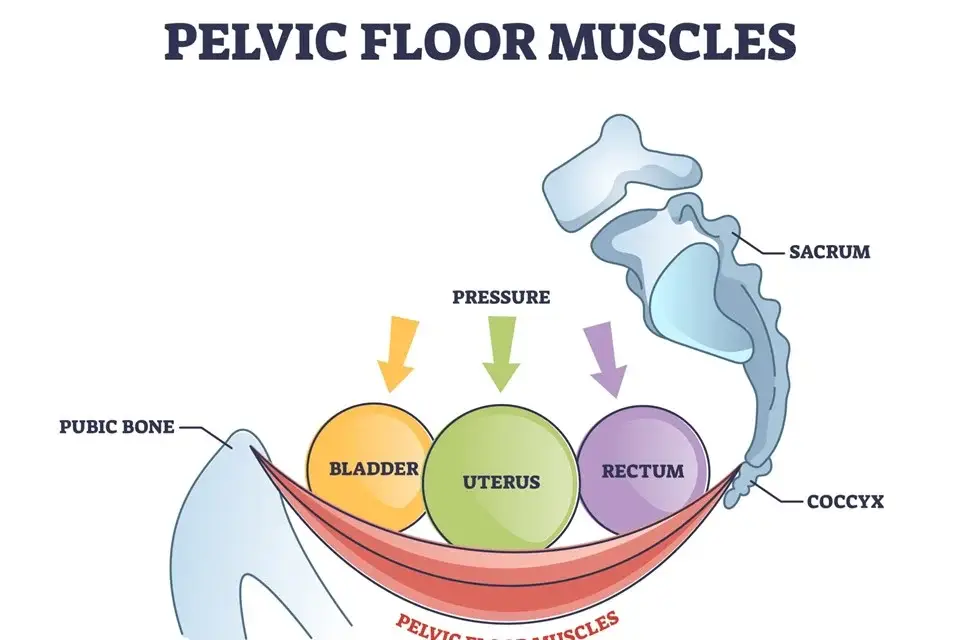
This manifests in weakened muscles and tendons in the pelvic area. Symptoms include urine leakage and vaginal soreness, especially during sex. Pelvic floor problems are a result of ageing, childbirth, injuries or complications from surgery.
Other causes of a sore vagina
Vaginismus, where the vaginal muscles spasm during sex, can make sex difficult and cause pain in the vagina. Vigorous sex can cause vaginal tissues to tear, leading to soreness in and around the vagina. Irritations from the use of bath toiletries or feminine hygiene products are a common cause of vaginal soreness. And finally, menopause, when hormonal changes wreak havoc, it could be possible to experience dryness, soreness and difficulties during sex.