Stress incontinence, sometimes incorrectly referred to as urge incontinence, is a sudden and unexpected urination. This distressing condition, which affects more women than men, affects up to 10% of the UK population. However, as this figure covers only those who have been officially diagnosed, the figure could be much higher. Many could be too embarrassed to broach the subject with their doctor.
Stress incontinence or urge incontinence?
There is a subtle difference between the two, so if you are unsure whether you are affected, read on to see if you recognise your particular symptoms.
Urge incontinence symptoms align with an overactive bladder and, simply put, means that the sudden contraction of the bladder causes an urge to urinate, resulting in the immediate need to find a bathroom.
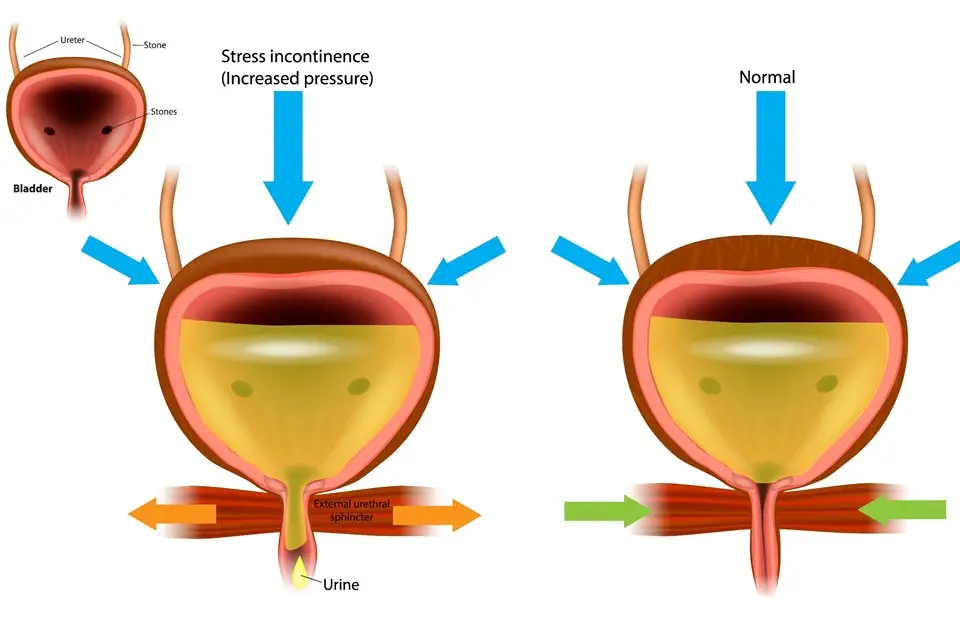
Stress incontinence occurs because of certain physical movements that exert pressure – stress – on the bladder, resulting in urine leakage. Basically, almost any movement could cause this, including:
- Coughing
- Sneezing
- Laughing
- Heavy lifting
- Stretching or bending
- Running
Sometimes the leakage is so small you may not initially realise what has happened, and it is not uncommon for urine leakage to be intermittent.
It must be pointed out that stress incontinence is not connected to psychological issues, but understandably it can create a number of emotional and day-to-day problems. Embarrassment can lead you to avoid social events and close contact with friends or work colleagues. It can limit physical, leisure and intimate activities.
Want to know more about stress incontinence?
Reach out to Dr Jonathan Broome, Consultant Urogynaecologist, who will take it from there, calmly, privately and without rushing you.
What causes stress incontinence?
The weakening of the pelvic floor muscles and other structures that normally support the urethra to keep it closed when the bladder expands with urine, along with the loss of strength in the urinary sphincter – which would normally control the release and flow of urine – are the primary causes of stress incontinence. But what are the issues that lead to this situation?
The pelvic floor muscles and urinary sphincter can weaken for any number of reasons, including childbirth in women and prostate surgery in men. Childbirth can cause tear injuries or nerve damage, which can contribute to the weakening of the pelvic floor or the sphincter. Many women report that stress incontinence has started soon after having a child, although it can start months or years later.
Stress incontinence can be worsened through several factors, including:
- Chronic or persistent coughing
- Smoking, which can cause violent coughing
- Activities such as running and jumping performed regularly over a number of years
- Obesity
- Excessive drinking
There are risk factors which come into play in the development of stress incontinence. Among these are age, excess body weight, pelvic surgery and certain types of childbirth delivery, particularly forceps delivery or vaginal delivery but not caesarean or vacuum-assisted delivery. These risk factors are indicators of the potential weakening of the urinary sphincter and pelvic floor muscles.
Complications
Skin irritation and rashes can occur when urine is in contact with the skin for any length of time. The unexpected leakage of urine can eventually result in the involuntary urge to urinate as well. It is easy to understand how embarrassment and emotional distress can become a daily state of mind.
How it is treated
Non-surgical treatments include, in the initial stages, the use of absorbent incontinence pads alongside pelvic floor exercises and bladder training. Lifestyle advice on healthy eating and drinking, plus maintaining a healthy weight, may also be useful.
There are a number of surgical interventions available depending on which form of stress incontinence you have, and your gynaecologist or GP will be only too happy to advise you on how surgery can benefit you and allow you to take back control of your bladder and your life.