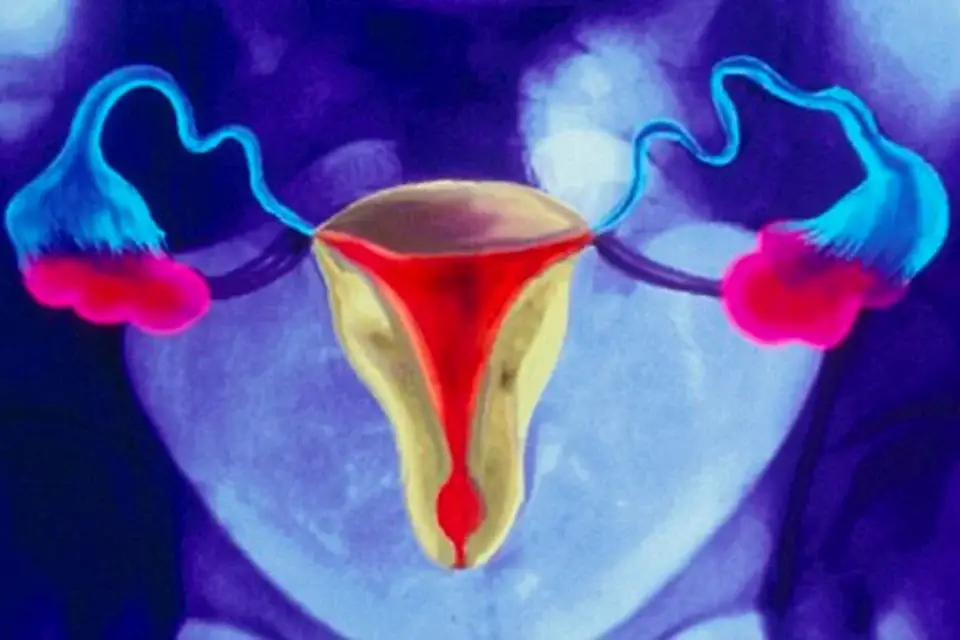

Any form of bleeding causes worry, yet vaginal bleeding after menopause often leads women to conclude that it is a sign of cancer. However, the reality is that there are other reasons for postmenopausal bleeding that are not always cancer.
Whilst bleeding can be a cause for concern and something you should always seek to bring to the attention of your GP, it doesn’t always mean a cancer diagnosis.
Non-cancerous causes of post-menopausal bleeding
There are various reasons you might be bleeding post menopause, including the following:
- Low oestrogen levels – this can cause the vaginal or womb lining to thin and become inflamed.
- Non-cancerous cervical or womb polyps – these growths may need to be removed; however, they are usually not cancerous.
- Sexually transmitted diseases. You may not be sexually active. However, as vaginal tissue thins due to a lack of oestrogen, it is more vulnerable to tearing, which can leave you bleeding or having discoloured cervical mucus and pain during urination. Gonorrhoea, chlamydia, syphilis and herpes can all cause vaginal bleeding.
- Bladder problems – It’s also possible that the bleeding comes from your bladder but appears to be from the vagina.
- Bowel or rectal issues – blood on toilet paper or in the toilet bowl can be caused by haemorrhoids or other rectal bleeding causes. Again, this can be mistaken for vaginal bleeding, and your doctor can help find the cause.
- HRT – hormone replacement therapy can cause the lining of the womb to thicken. Being overweight and having high oestrogen levels can lead to womb cancer.
Have you spotted any bleeding after menopause?
Due to the potential of a cancer diagnosis, your GP will refer you to a specialist, and you should expect to be seen quickly. Mr Broome has seen many ladies in this position.
What if it is cancer?
The good news is that most cases of womb cancer, as many as 90% (this 90% relates to the 10% of post-menopausal cases of bleeding symptomatic of endometrial or cervical cancer), are picked up early in their development because of irregular or post-menopausal bleeding.
This is why womb cancer is often diagnosed quickly, yet remember it still only affects a small number of women. The majority of women with irregular bleeding will have other causes, but it is something you should not assume. Even if it only happens in small amounts or on one occasion, seeking medical advice is necessary.
If you are experiencing other symptoms such as pain during intercourse, abnormal discharge alongside discharge or bleeding, then as disconcerting as it is, you are still not guaranteed to have cancer. Even if the worst is confirmed, the sooner it is assessed and a treatment plan in place, the sooner you can begin the road to hopeful recovery. Treatment may include surgery, chemotherapy or a combination of radiotherapy and chemotherapy. Earlier diagnoses can treat the cancer before it has an opportunity to spread, and outcomes are more likely to be favourable.
When To Seek Help
If you are going through menopause, have not had a period for more than a year or are postmenopausal, you should always have virginal bleeding and spotting checked out by a GP. The NHS guidelines state that even when it only happens once, it is just a tiny amount of spotting, blood or pink/brown discharge, you are unsure if it is blood or mucus, and even when you have no other symptoms, you should visit your GP. Postmenopausal bleeding can, after all, be a sign of cancer. If it is, the sooner it is diagnosed and treated, the better the outcomes will likely be.